Understanding the anatomy
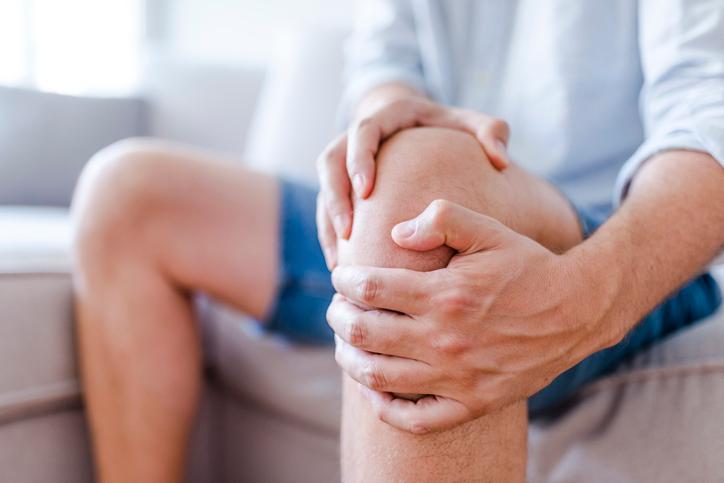
The knee consists of bones, cartilage, ligaments, muscles, and tendons. Changes or damage in any of these components can cause pain. However, it is not necessarily indicative of a problem. Sometimes it may occur if a person is in an uncomfortable position for a long time, and then it will quickly go away by itself. But more often, the cause of pain is trauma or disease. Let’s look at the most common causes.
Injuries. The function and structure of the knee will be affected by injuries. Pain after a fall, a blow, an accident, or vigorous sports activities may indicate a sprain, muscle, ligament or tendon rupture, meniscus injury, or fracture. Athletes, soccer players, and the elderly with degenerative diseases are at higher risk.
Sprains. A knee dislocation causes acute pain and is visually detected. You should not try to set it on your own. If you suspect it, you should definitely see a doctor to rule out a fracture.
Bursitis. This is an inflammation of the joint pouch, which ===softens the joint. It is often caused by trauma. The main symptom is a swollen, painful, hot knee. Diagnosis is made based on the results of an ultrasound examination. Bursitis is treated with rest and local anti-inflammatory drugs. In advanced cases, injections and even surgery may be required.
Degenerative changes. Pain, joint dysfunction, and stiffness of movement can be caused by osteoarthritis, a disease that causes the cartilage and surrounding tissues to shrink. It is most often associated with age-related changes. These processes are irreversible, but they can be slowed down. In serious disorders, surgical treatment is indicated.
Rheumatoid diseases. These are autoimmune diseases in which the immune system attacks the joints. If left untreated, they can lead to bone erosion and joint deformities. Doctors prescribe anti-inflammatory, corticosteroid, anti-rheumatic, and other medications to relieve symptoms.
Gout. This is a disease associated with the deposit of salts in the joints. It is often hereditary and may be associated with kidney disorders and blood diseases. Anti-inflammatory drugs and uric acid-removing drugs are used to treat gout.
Infections. External injuries and abrasions can lead to infection of the joint, which is why you need to be careful about wounds and bruises that don't heal for a long time.
Nerve damage. Sharp shooting pains and tingling or numbness in the knee can be caused by nerve inflammation in one or more areas. It may be a consequence of trauma or inflammation. An MRI or CT scan should be done to make a diagnosis.
What kind of doctor should you see?
Determining the cause of knee pain on your own is quite difficult, and improper treatment can make the condition worse. It is believed that injuries are more common among young people, while diseases manifest with age.
If you have knee pain, see an orthopedist or rheumatologist, and if it was preceded by trauma, see a traumatologist. You may need to eventually consult a neurologist or surgeon. Diagnosis is made on the basis of blood tests and hardware diagnosis (X-rays or MRI).
How can you protect your knees?
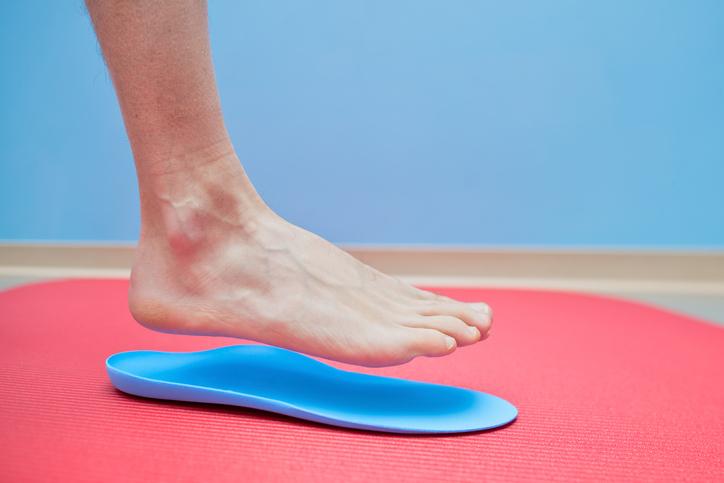
First of all, treat injuries and infections in a timely manner. Do not wait until it “passes on its own.” It is important to control chronic diseases affecting the health of the knees (diabetes, tonsillitis, etc.), and maintain stable body weight, balanced diet, and moderate physical activity without overexertion. It is also important to wear weather-appropriate clothes to protect against the elements and wear shoes with enough support for your feet.