Is it normal?
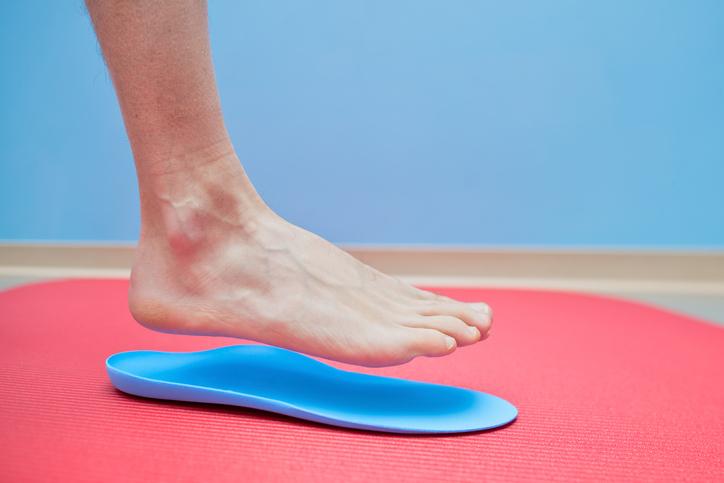
For children under 5–7 years of age, a flat foot is a norm, but the orthopedic pathology is either congenital or arises after trauma or neurology. In the first case, when diagnosed with clubfoot or "horse foot", the child needs treatment and further monitoring by an orthopedist. In the second case, the flattened arch of the foot does not require any medical intervention. Generally speaking, it passes on its own before age 8. Children over age 7 often have flat feet formed "under pressure" by extra weight. This is why an active child "runs away" from flat feet with a greater probability than an idle and passive one. The cause of the disease may also be pathological dysplasia (increased elasticity) ligaments.
When to see a doctor
Flat feet should be treated only=== when it hurts. If a child complains of foot discomfort during physical activity, it is important to see a doctor. The diagnosis is made clinically upon examination and confirmed by X-rays. When flat feet are diagnosed, the child is assigned either functional treatment such as exercise therapy or physical therapy, or the child can be treated surgically — for rigid or post-traumatic flat feet.
Footwear considerations
Many people like orthopedic shoes, but they are not a panacea for preventing or fixing flat feet. Not only are they ineffective, but they can also cause physical and psychological discomfort to the child. Some doctors assign "special shoes" for serious pathologies. To keep children’s feet healthy and avoid flat feet, look for the following: elevated heel area (heel or monolithic platform with a thickening in the heel area), closed heel at the ankle, open or relaxed toes (normally they do not reach the edge of 1–1.5 cm). Don’t walk around every day in shoes like cleats and mountain climbing shoes that are designed for those specific activities. If a child is dressing up for a party, it is okay to wear high heels for a short period of time.