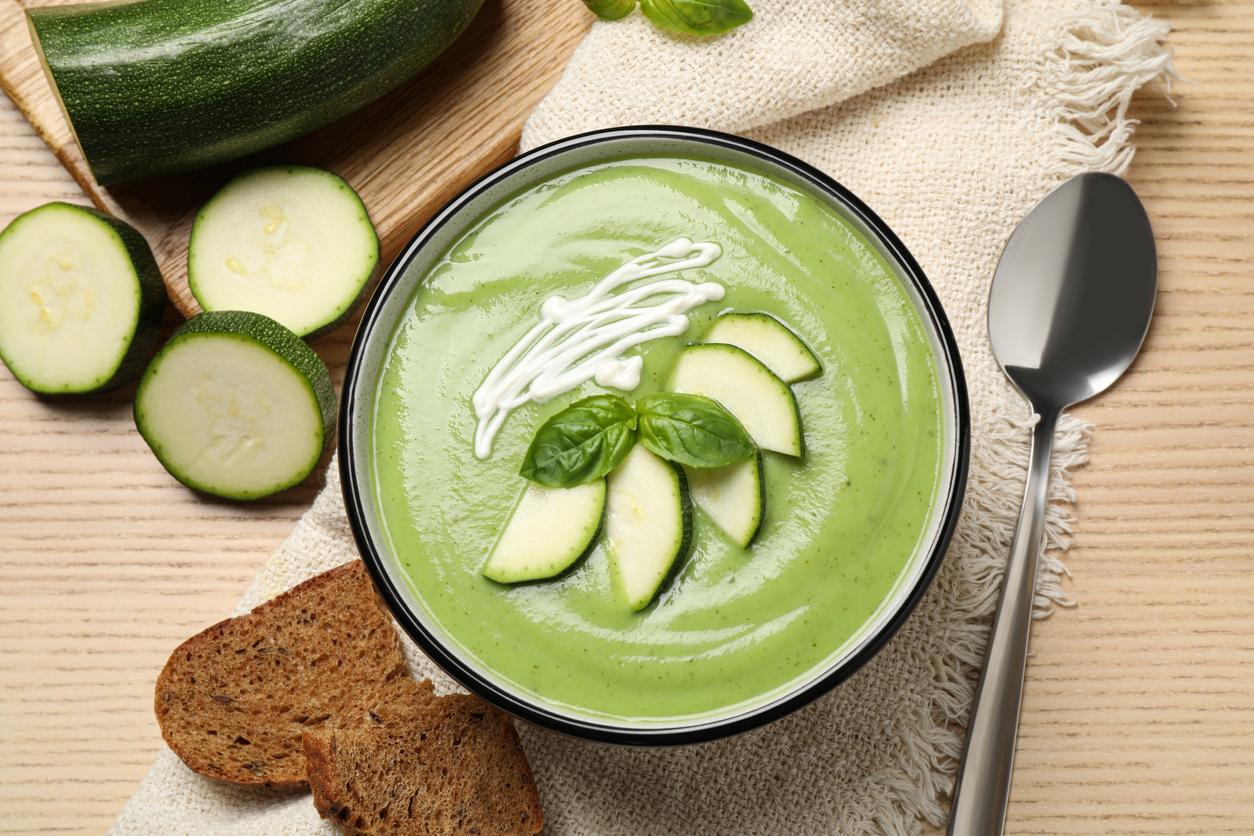
What are the benefits?
When cooked with vegetables and lean meat, soup improves digestion, stimulates the production of gastric juice, promotes weight loss, and maintains water balance.
Hot soup is great for warming up in cold weather
Although some of the vitamins and nutrients are minimized by the vegetables being heated up, there are still quite a lot of them in soup. In addition, the content of some nutrients increases with cooking (such as carotenoids in broccoli, lycopene in tomatoes, and beta-carotene in carrots).
- Vegetables are very high in fiber, which is long-lasting and improves peristalsis and intestinal microflora.
- Soups often include cereals and legumes, which are complex carbohydrates that provide long-lasting energy.
- Low-calorie soups are ideal for children and the elderly because they are easily digested and do not negatively affect the gastrointestinal tract.
What are the healthiest types of soup?
-
Vegetable soup that is cooked without any chemical additives and preservatives, seasoned only with spices.
-
Meat broths cooked from chicken, turkey, sausage, or lean ground beef. Vegetables can be added to the broth. If you have gastrointestinal problems, you can break down the vegetables with a blender to make them more easily digestible soup puree.
-
The white fish soup contains many nutrients. But remember that sea fish can contain lead, and you should avoid it if you have allergies and/or problems with the liver and kidneys.
What are the downsides to soup?
If there are intestinal or liver problems, you should not eat bean soup, and if there is increased acidity, you will have to give up soups with sour and salty ingredients such as sauerkraut, pickles, and smoked meats. Mushroom soup is also difficult to digest and is not recommended for those with gastrointestinal problems.
-
Meat may contain antibiotics and growth hormones that enter the broth during cooking. In addition, rich meat broth contains many toxic non-protein nitrogenous compounds.
-
Soups that have fatty meat, cheese, or cream contain a lot of cholesterol and are very calorie-dense, so they negatively affect cardiovascular health and increase body weight.
-
Sometimes sugar is added to soups (such as French onion soup), which greatly increases the caloric content of the dish.
How can you make a healthy soup?
- To minimize the amount of fat in the broth, remove the skin from the meat before cooking.
- Drain the first meat broth after boiling, as it boils out all harmful substances. Boil the soup in the second broth.
- While cooking, remove any foam that develops.
- Avoid frying vegetables for soup, as this increases calories and creates trans fats.
- Put vegetables in boiling water to preserve more nutrients.
- Do not add stock cubes to your soup.
Serve the soup once it has cooled to a temperature of 97-100 °F. Very hot soups are bad for the gastrointestinal tract. Try to avoid consuming instant soups, as they have no benefits and include a lot of harmful ingredients and preservatives.