Problems with the spine and joints
Sedentary sitting for long periods puts serious strain on the spine and joints and, over time, leads to back, neck, lower back, and leg pain. Lack of movement impairs blood circulation in the extremities and leads to muscle strain. Over time, this can trigger the development of osteochondrosis, intervertebral herniations, and other degenerative joint diseases.
Prevention:
- Rest your entire back on the back of the driver's seat so that the pressure on the spine is evenly distributed.
- Place a comfortable orthopedic pillow or massage mat under your back to reduce pressure on the spine.
- Wear comfortable clothes and shoes when traveling.
- Strengthen the abdominal muscle: swimming pools and gyms can help.
Negative impact on the cardiovascular system
Cardiovascular diseases are among the most common issues related to driving. Due to long periods of sitting in restrictive postures, blood vessels become constricted, blood circulation deteriorates, and numb hands and feet occur. There may be headaches accompanied by pounding in the temples, weakness, congestion, edema, and even deep vein thrombosis.
Prevention:
- Make regular stops for at least 15 minutes every two hours to stretch and restore normal circulation. You can walk, do squats, bend and twist the torso, and stretch your arms.
- Take a contrast shower and walk after a long drive to improve blood circulation and warm up the muscles.
Increased fatigue and stress
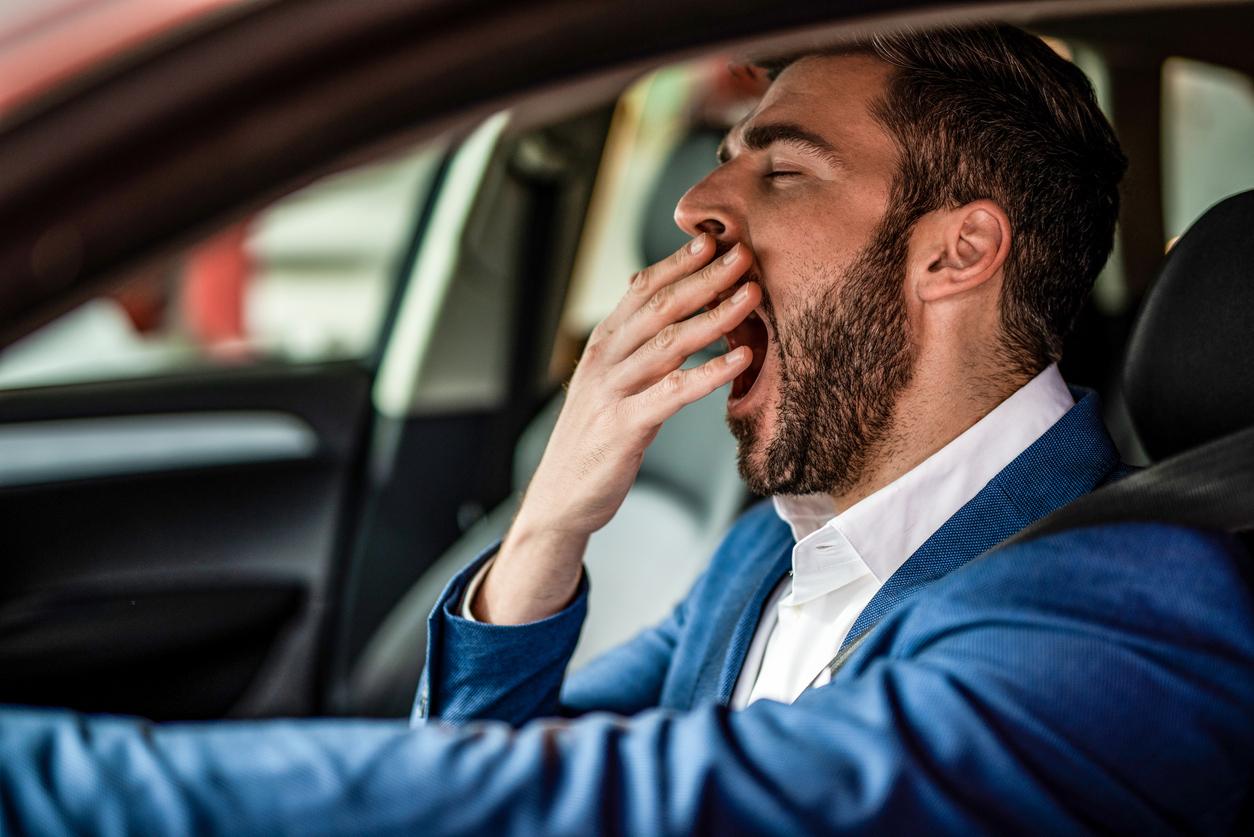
Constant focus on the road, the monotony of the trip, and poor cabin air quality can lead to severe fatigue, decreased reaction speed, impaired sleep, increased anxiety, and irritability.
Prevention:
- Listen to calm music while traveling, and do eye warm-ups to relieve eye strain.
- Be sure to get plenty of sleep before traveling.
- If you feel overly tired on the road, stop in a safe place and sleep for 15-30 minutes.
Respiratory effects
The air quality inside the car can be worse than outside, especially if ventilation is not working well or if harmful substances such as exhaust fumes or toxic fumes from interior materials are present. This can lead to headaches and even respiratory problems, especially for people with allergies or asthma.
Prevention:
- Humidify the air in the cabin and regularly ventilate the car while traveling.
Metabolic and GI problems
Prolonged time in the car limits physical activity, which leads to a slower metabolism and consequent weight gain. It is also not uncommon for drivers to experience gastrointestinal problems due to long periods of sitting, poor eating habits, and consuming large amounts of coffee.
Prevention:
- Remember to get out, move around every two hours, and drink more water to avoid dehydration.
- Take light, healthy, and nutritious snacks on the road, such as nuts, dried fruits, yogurt, and vegetables. Limit coffee consumption while traveling.