What Is Gluten?
Gluten is a vegetable protein found in cereal seeds — most often in the rye, barley, and wheat. Gluten helps make dough soft in various baked goods.
Why Can Gluten Be Bad?
One out of a hundred individuals suffers from gluten intolerance. The only way to solve this problem is to skip foods that contain this protein. However, too much gluten can create issues even for those who are not prone to allergies. ===The structure of gluten protein resembles the structure of thyroid and pancreatic glands, which confuses the immune system, making the body fight against itself. If this is the case, it would be sufficient to avoid gluten-containing foods, at least for some time.
What Can You Eat?
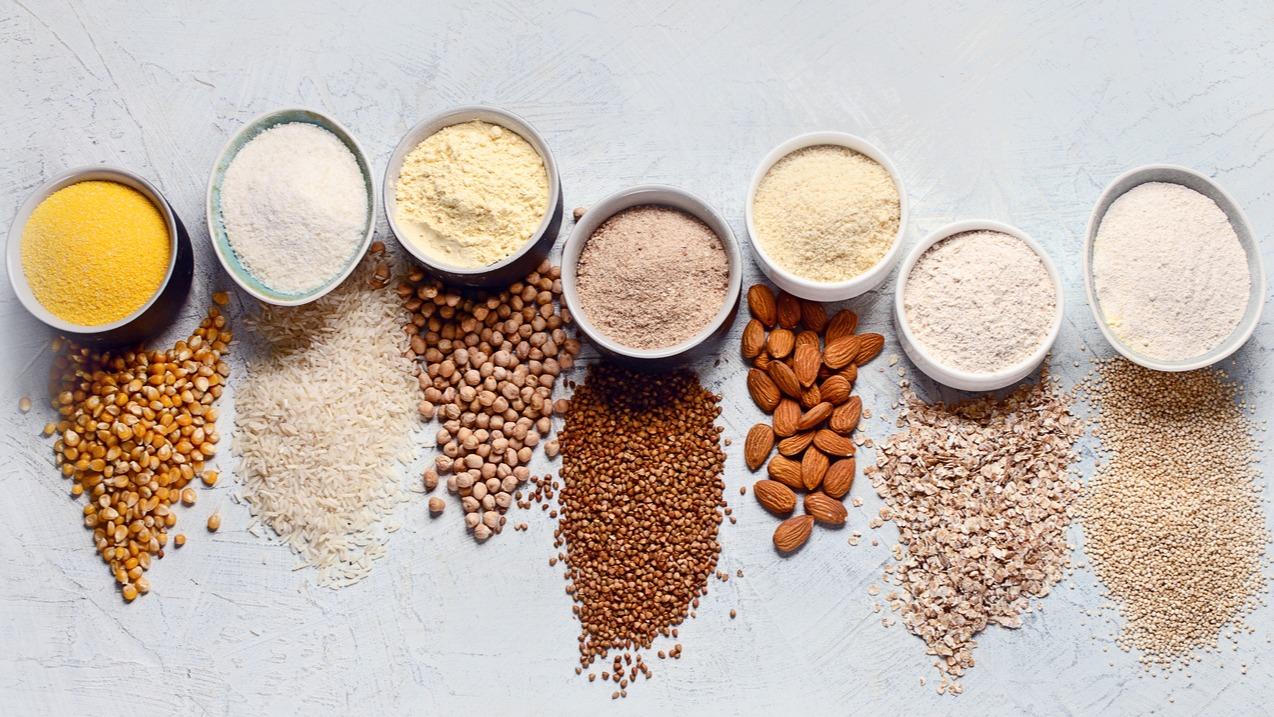
The base of a non-gluten diet should include raw seeds, fresh nuts, unprocessed beans, vegetables, fruits, fish, seafood, meat, poultry, eggs, and natural dairy products. There is even gluten-free alcohol. You can also have some cereals in your diet, including linseeds, buckwheat, corn, amaranth, rice, quinoa, and millet.
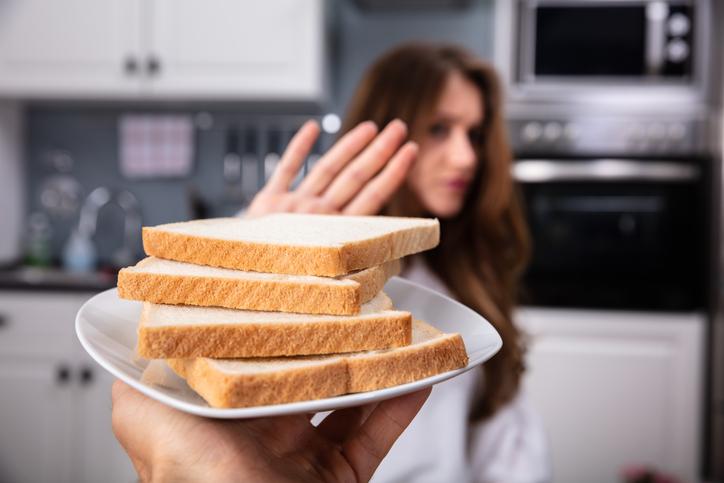
You should, by all means, avoid oats, wheat, rye, barley, and all their derivatives, such as flour, porridges, pasta, and bakery products. You should also avoid yogurts that have a long shelf life, canned foods (they often include gluten additives), beer, and sweets (including chocolate, candies, cookies, and ice cream).
Who Needs a Gluten-Free Diet?
This diet will help those who suffer from celiac diseases and who are allergic to gluten. It can also help those suffering from neurological disorders, hyperexcitability, migraines, diabetes, atherosclerosis, autoimmune hepatitis, and obesity.
Keep in mind that there is no reason to avoid gluten-containing foods solely to lose weight. While such a diet doesn't pose any risks, it should be understood that losing weight is achieved not because of skipping gluten but by decreasing calorie intake. If you keep eating gluten-containing foods while having a healthy and balanced diet, you will be in great shape. However, if you eat fatty foods while being on a gluten-free diet, you will not achieve anything. Avoiding certain foods can lead to a drop in the level of vitamins, minerals, and other nutrients that your body needs to be healthy.