• Tests
  • Health Assessment
  • Vitamins
  • Collaboration
  • Articles
Download AppDownload
Qomek

Doctors, tests and results — on your phone.

  • Tests
  • Health Assessment
  • Halsa vitamins

  • About the service
  • Collaboration
  • Articles and News
  • Contacts

  • Privacy Policy
  • User agreement
  • Online payment rules
© 2026 Qomek. All rights reserved.Contraindications apply. Consult a specialist.
  1. Home
  2. /Articles and News
26 июня 2025 · 2 min read

Thrombosis and Air Travel: In-Flight Precautions

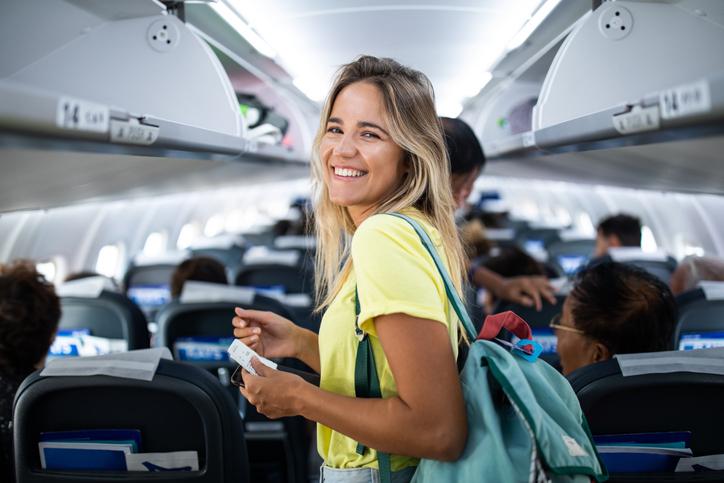
Air travel — especially long-haul flights — can be stressful not only for your spine but also for your circulatory system. Sitting for hours in the same position can cause blood to pool in the deep veins of the legs, increasing the risk of blood clot formation.

Contents

  1. 01Why it’s dangerous
  2. 02Who is at risk?
  3. 03What you can do

Why it’s dangerous

Blood clots, or thrombi, are clumps of blood that form when platelets stick together. They can form in both veins and arteries. Sometimes clots result from abnormalities in the blood’s clotting system; other times, they form in response to damage in a blood vessel’s inner lining. Once attached to the vessel wall, a clot may remain stable, but under certain conditions, it can break off. If this happens, the clot can travel through the bloodstream and block a narrower vessel, potentially leading to a heart attack, ischemic stroke, or other serious health complications.

Who is at risk?

  • People over age 50
  • Pregnant women
  • Those taking hormonal medications
  • Individuals recovering from COVID-19
  • People with varicose veins, obesity, or cancer

One key lab marker used by doctors to assess clotting risk is D-dimer — a protein fragment released into the blood when a clot breaks down. Elevated D-dimer levels may indicate a tendency to form clots, even if no symptoms are present.

What you can do

  • Consult your doctor before flying, especially if you’ve had clots before or have a high D-dimer level.
  • Wear compression stockings, as they help improve circulation in your legs.
  • Stay hydrated. Dehydration makes your blood thicker.
  • Avoid alcohol, as it can contribute to dehydration.
  • Skip sleeping pills. They lead to deep sleep, increasing the amount of time you stay motionless, which raises the risk of blood stagnation.
  • Move regularly. Get up and stretch every 1–2 hours. Even small circular movements of your feet while sitting can help keep blood flowing.

Tests at QomekGet tested at a lab nearby — results will arrive in the appChoose tests
  • #thrombosis
  • #travel
  • #phlebeurysm

Read also

Related articles

All articles

COVID-19: Taking a Look at How To Recover

"I got sick with Covid-19 and now I can hardly walk". "I am short of breath, even when going up to the second floor". “I cannot do any exercising”. "After I had coronavirus I am always in a bad mood". These and other complaints from almost everyone who had coronavirus, even in a mild form. Why is this happening and how to recover as quickly as possible?9 марта 2022

D-Dimer — Why Take It?

Almost everybody learned the name of this test when the Covid-19 pandemic started. Why is it necessary for all patients who had coronavirus to take this test? What other health conditions might require it?14 января 2022

Blood Coagulation: What Affects It and How It Affects Us

Excessive blood clotting increases the risk of developing thrombosis — a problem that has become even more acute after the outbreak of COVID-19.14 августа 2021