Sugar in liquid form
Liquid sugar is what we call any sweet beverage. These primarily include sugary sodas but also tonics, smoothies, punches, lemonades, juices, iced tea, energy drinks, coffee drinks, and other drinks that contain:
- Corn syrup
- Dextrose
- Fructose
- Lactose
- Glucose
- Sucrose
- Honey
- Brown sugar
- Unrefined sugar
They are all high in calories yet can be consumed quickly, adding hundreds of extra calories to our daily diet.
There are about 40 kcal and 10 g of sugar in 100 ml of cola. A 100 ml of store-bought juice has about 45-55 kcal and 10-13 g of sugar; a latte can have 300 kcal and 20 g of sugar.
Alcohol
High sugar levels can be found in alcoholic beverages as well. Consumption of alcohol can be a health hazard, but sweet alcohol is a double blow to the body. Liqueurs, sweet wine, and various cocktails contain high amounts of sugar. Dry, sparkling, brut, spirits and=== light beer tend to have lower sugar levels. It is important to remember that alcohol, in genera, can affect blood sugar levels, so its consumption should be limited, especially for people with diabetes or metabolic disorders.
How much is acceptable?
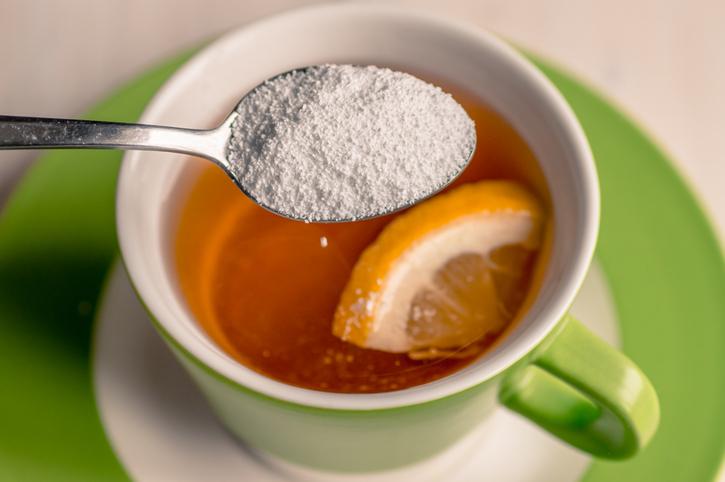
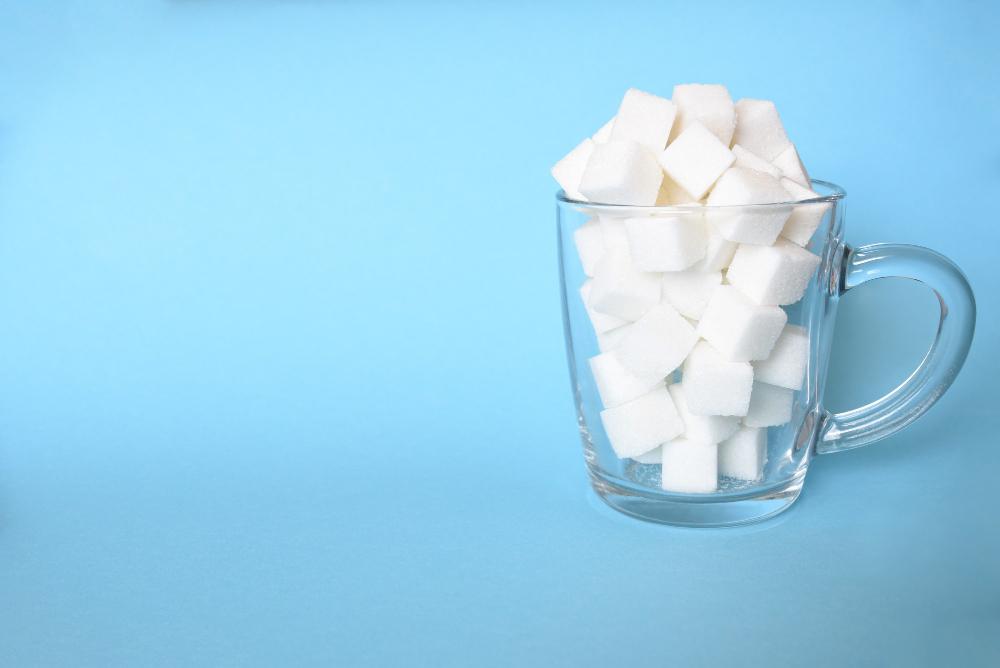
The American Heart Association recommends limiting sugar intake to 6 teaspoons per day for most women and 9 teaspoons per day for most men. This includes all sugar, from the spoonful you put in your coffee or tea in the morning to what is added to prepared foods. For example, drinking 100 g of a sweet drink alone will likely exceed the daily limit (not to mention not providing any nutritional value).
On average, Americans consume 22 teaspoons of added sugar per day. That's equivalent to an extra 350 kcal from liquid sugar.
Sugar and health
Regular consumption of sugary drinks significantly increases your risk of developing metabolic syndrome, a set of risk factors including high blood pressure and high blood sugar. Other liquid sugar-related health problems include:
- Weight gain: sugary drinks don't create a feeling of satiety like a full meal with the same number of calories. On the contrary, they can stimulate appetite.
- Type 2 diabetes: regularly drinking 1-2 cans of soda or juice a day increases your risk of developing type 2 diabetes by 26 %.
- Heart disease: excess sugar in the diet leads to weight gain, which in turn increases the risk of cardiovascular disease.
- Liver disease: liquid sugar is absorbed more quickly into the bloodstream, overloading the pancreas and liver.
- Dental problems: sugar serves as a breeding ground for bacteria in the mouth, destroying tooth enamel and contributing to tooth decay.
Healthy alternatives
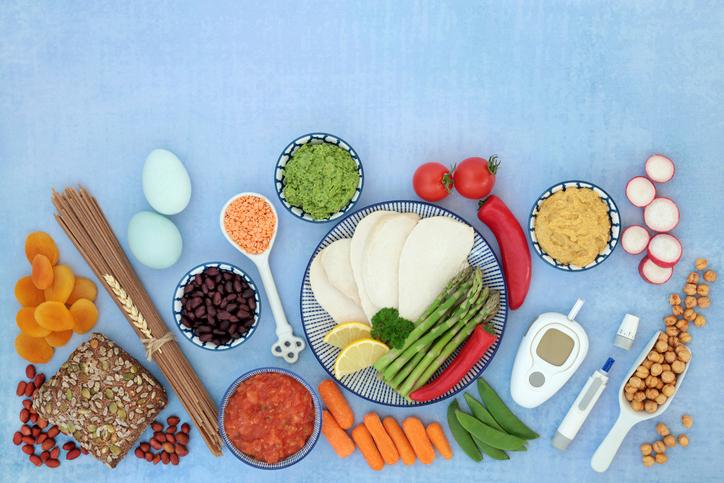
Giving up drinks with added sugar can be difficult. That's why it pays to take things slowly and start by switching to healthier alternatives, gradually reducing the amount of liquid sugar in your diet. If you don't like drinking just water and you need the extra flavor, try:
- Water with lemon, lime, cucumber or watermelon
- Sparkling water
- Unsweetened iced or hot herbal tea
- Low-fat hot chocolate or skim milk
Find what you like to make the transition easier. Gradually, your favorite beverages will seem sugary, and the desire for sweets will become a thing of the past. The reward for your persistence will be weight loss and improved health.