• Tests
  • Health Assessment
  • Vitamins
  • Collaboration
  • Articles
Download AppDownload
Qomek

Doctors, tests and results — on your phone.

  • Tests
  • Health Assessment
  • Halsa vitamins

  • About the service
  • Collaboration
  • Articles and News
  • Contacts

  • Privacy Policy
  • User agreement
  • Online payment rules
© 2026 Qomek. All rights reserved.Contraindications apply. Consult a specialist.
  1. Home
  2. /Articles and News
20 мая 2024 · 2 min read

What Diseases Can Be Avoided by Eating Less Salt?

In today's world, there is a tendency to reduce salt intake. Should we give it up completely, and what health problems can be caused by consuming excessive salt?

Contents

  1. 01Hypertension
  2. 02Kidney disease and edema
  3. 03Osteoporosis
  4. 04Is it necessary to give up salt completely?
  5. 05Maintain a balance

Hypertension

One of the main arguments in favor of reduced salt intake is the prevention of hypertension. Salt retains fluid in our bodies, which makes it difficult for the heart to function, leading to high blood pressure and the development of cardiovascular diseases, particularly coronary heart disease.

It is especially important to control the amount of sodium chloride in the diet for those who already have cardiovascular problems.

Kidney disease and edema

Hypertension is a risk factor for developing chronic kidney disease, which is just one way that excessive salt can affect the kidneys. A salty diet can cause fluid retention in the body, leading to edema and increased stress on the kidneys, as well as increase the risk of stone formation.

Osteoporosis

Increased intake of sodium chloride leads to impaired water-mineral metabolism, loss of bone mass and the development of osteoporosis.

Is it necessary to give up salt completely?

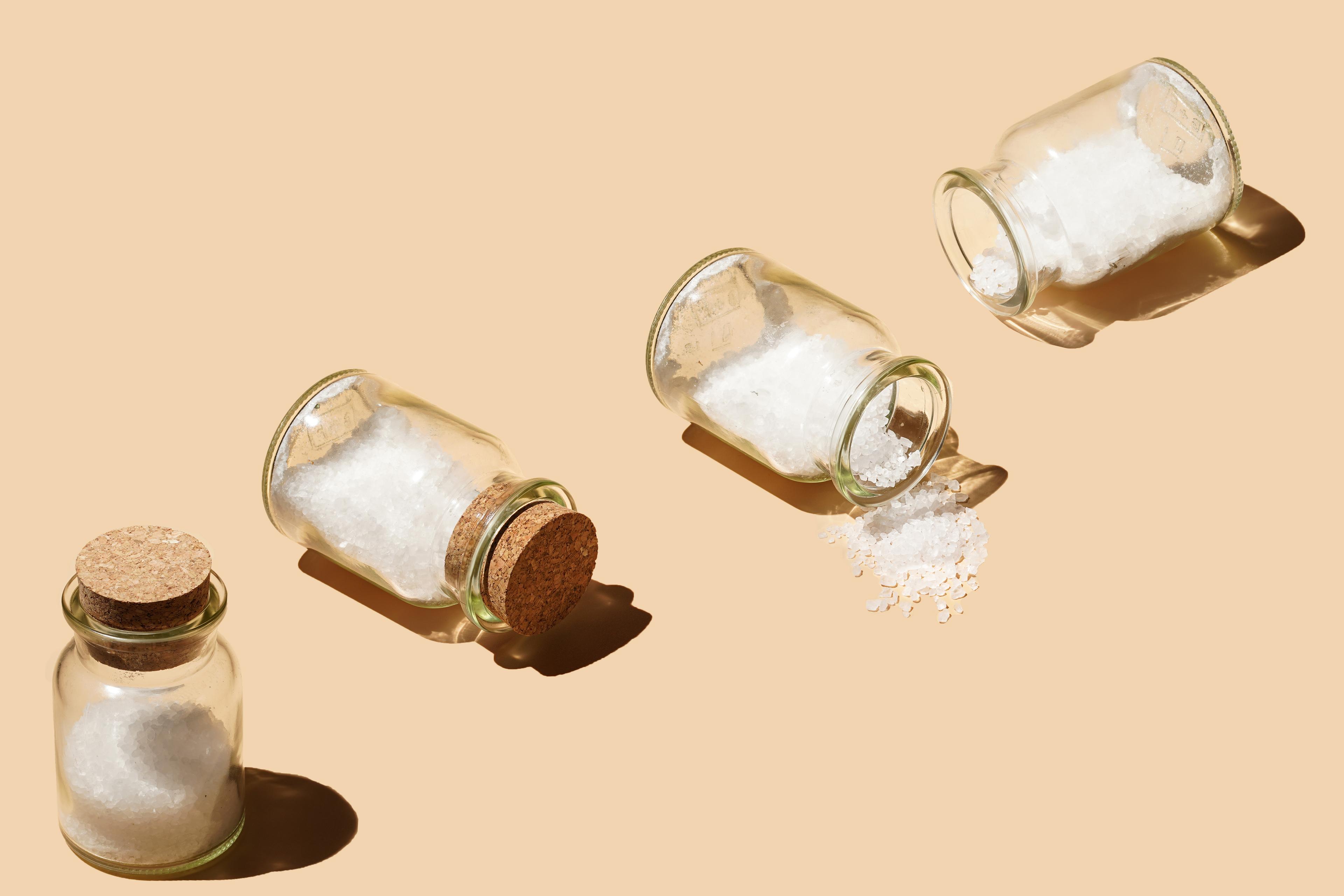
Salt is an important component of the diet, as it provides the body with essential minerals. Eliminating it completely is not only not useful, but even dangerous for health. Salt provides the balance of electrolytes, participates in the nervous system, regulates blood pressure, preserves moisture in cells, has an antibacterial effect, and fills iodine deficiency ‒ so you cannot do without it.

Maintain a balance

Determining the optimal level of salt intake depends on many things: age, gender, physical activity, health and other individual characteristics. On average, according to World Health Organization (WHO) recommendations, adults should not exceed 5 g (about 1 teaspoon) of salt per day in the diet. This amount includes both added salt from cooking and salt contained in foods.

Most salt is found in bread, sausages, cured meats, fast food, convenience foods, bouillon cubes, canned goods, chips, mayonnaise, soy sauce and other prepared sauces.


Tests at QomekGet tested at a lab nearby — results will arrive in the appChoose tests
  • #osteoporosis
  • #kidney
  • #hypertension
  • #healthy eating

Read also

Related articles

All articles

13 Ways to Make Bones Stronger

In youth, new bones are formed faster than old ones are destroyed, and bone mass increases. After the age of 20, this process slows down. By the age of 30 most people reach their peak bone mass, and it starts to decrease with age. Fortunately, there are ways that you can slow this process and strengthen your bones.26 апреля 2024

Trouble Does Not Come Alone: Side Effects of Arthritis

Rheumatoid arthritis can manifest itself not only with joint pain and movement problems but also with other, less obvious symptoms that people often don't even associate with the disease.25 сентября 2023

How Low Testosterone Affects a Man’s Health

Testosterone is one of the most important hormones for men's health. Low testosterone levels have many negative consequences, not only on sex life but also on overall health.24 июля 2023