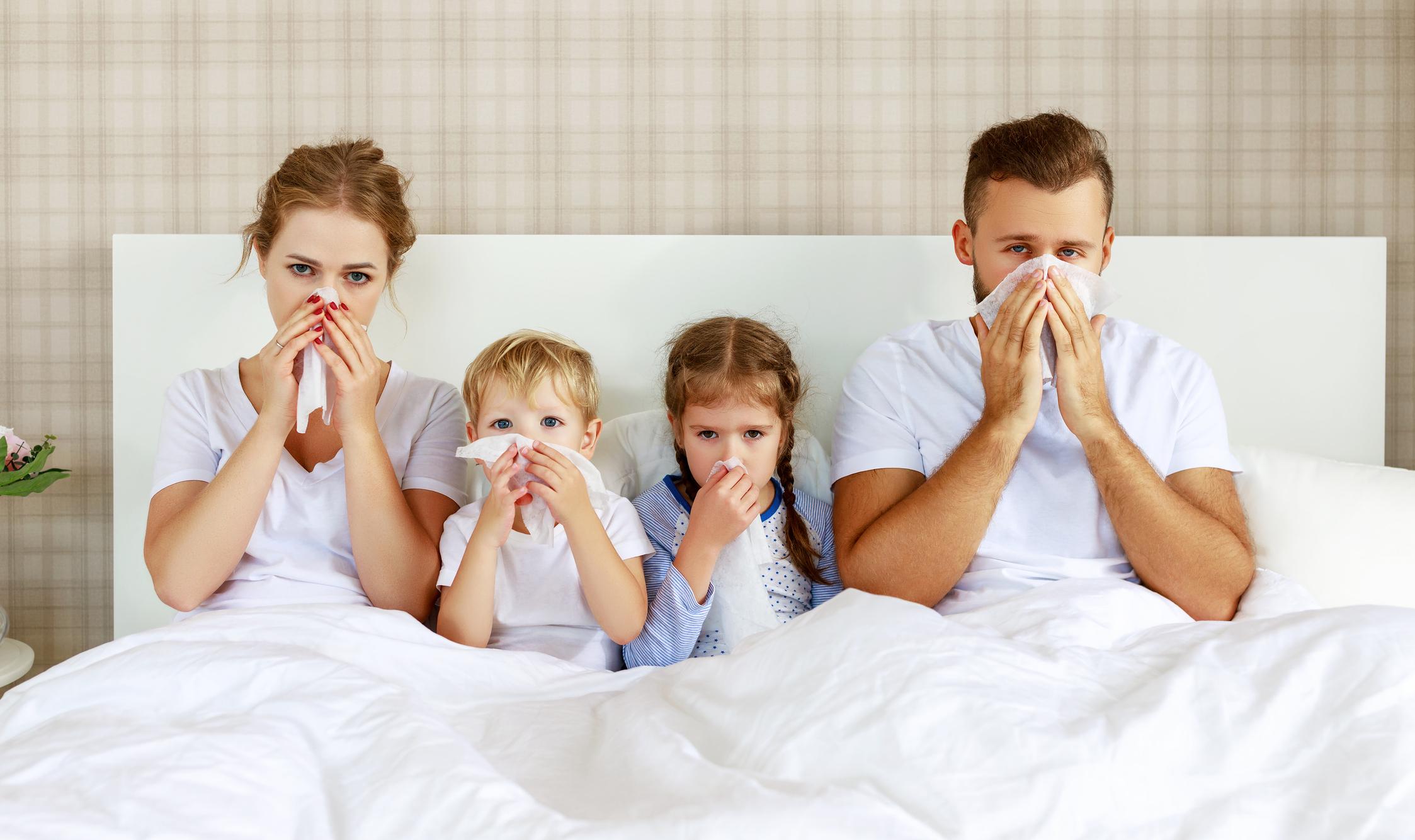
Systemic disease COVID-19 affects all organs and deeply weakens the body. If a mild course of the disease occurs, it will take two weeks to fully recover, but it can take up to several months for severe cases.
Breathe deeply
In the case of severe viral pneumonia, the lungs can lose up to 70 percent of their vital capacity, which brings on the risk of fibrosis and respiratory failure. The experience of the SARS and MERS epidemics in the early 2000s showed that only a small percentage of people develop fibrosis. However, they completely get rid of it within two years. This means that the process is reversible.
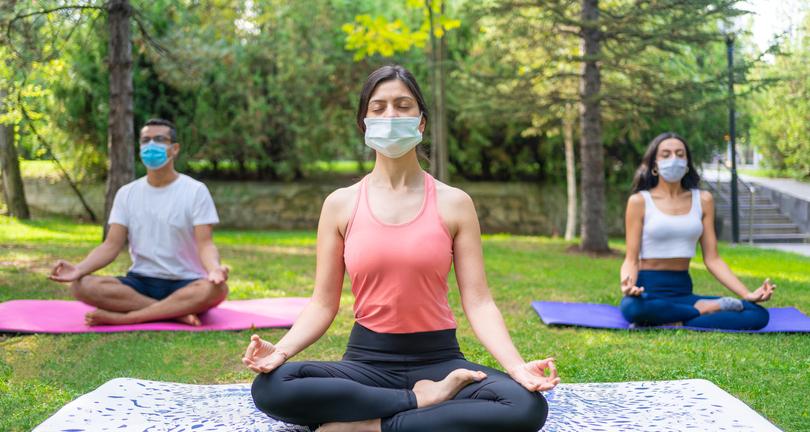
What to do? ===Patients with CT-3 and CT-4 lung lesions should be observed by a pulmonologist, who can prescribe hormones or drugs against bronchoconstriction and spirometry—a test for the functional capacity of the lungs. If you have severe shortness of breath, your doctor will advise you to purchase a respiratory support device, which is a mask that will make breathing easier. If the lung damage was insignificant, then your doctor will recommend breathing exercises, frequent walks at a moderate pace, a gradual increase in physical activity, and a relaxing trip to the seaside for recovery.
Eliminate risks for harmed blood vessels
It is believed that micro-thrombosis of the pulmonary vessels caused by a virus is the cause of lung damage. This is called pneumonitis, which we usually refer to as pneumonia. Often, coronavirus infection is accompanied by a heart attack, stroke, deep vein thrombosis of the lower extremities, followed by the development of pulmonary embolism—which is a dangerous complication.
What to do? It is best to try to prevent the effects before you get them. At the onset of the disease, under the supervision of a doctor, it is worthwhile to prevent complications with the help of anticoagulants. Even if the disease is mild, it is important to stay in bed until fully recovered to avoid stress on the heart.
Let the brain work
Many people who experience coronavirus note that the neurological symptom "fog in the head" persists for a month after recovery. Impaired oxygen circulation and the formation of microthrombi will not lead to stroke, but it will cause impairment of cognitive functions. For example, if a vessel is damaged, there may be memory problems. Also, should there be problems with the coordination of movements in the cerebellum, there will be a decrease in concentration in the cerebral cortex.
What to do? These symptoms fade away when the recovery starts, as metabolism improves and hypoxia is eliminated. After the illness, it is worth finding out if there are microthrombi in the brain. Treatments following a coronavirus infection will not differ significantly from treatments after a stroke.
Regain the sense of smell
If the sense of smell disappears, it is a certain sign of COVID-19. It can take longer for this sense to come back, possibly up to 3-6 months.
What to do? The easiest way to speed up the process is to “train your scent”. Soak cotton pads in aromatic essential oils such as eucalyptus, lemon, cloves, and inhale them one at a time. In 1917, British scientists investigated the loss of smell in the presence of flue. They found out that calcium microthrombi are formed in the vessels, which interfere with the work of neurons. Usually, calcium stones are well dissolved by sodium citrate, which is a type of salt citric acid. You could buy a drug based on sodium citrate in the form of an effervescent tablet at a pharmacy (they are prescribed for kidney and bladder stones), dissolve it in water, and drip it into the nasal cavity.
Restore the digestive tract
Considering that the virus is also introduced into the body through the intestinal epithelium, patients can have long-lasting abdominal discomfort, impaired stool, and a generally poor state of microflora—which can also be caused by taking antibiotics and other medications.
What to do? Take herbal remedies with milk thistle to improve liver function as well as probiotics (lactobacilli, bifidobacteria) and prebiotics (dietary fiber), which improve the state of the microbiota. Make sure you include foods with a high content of hard-to-digest fiber in your diet.
Take care of your mental health
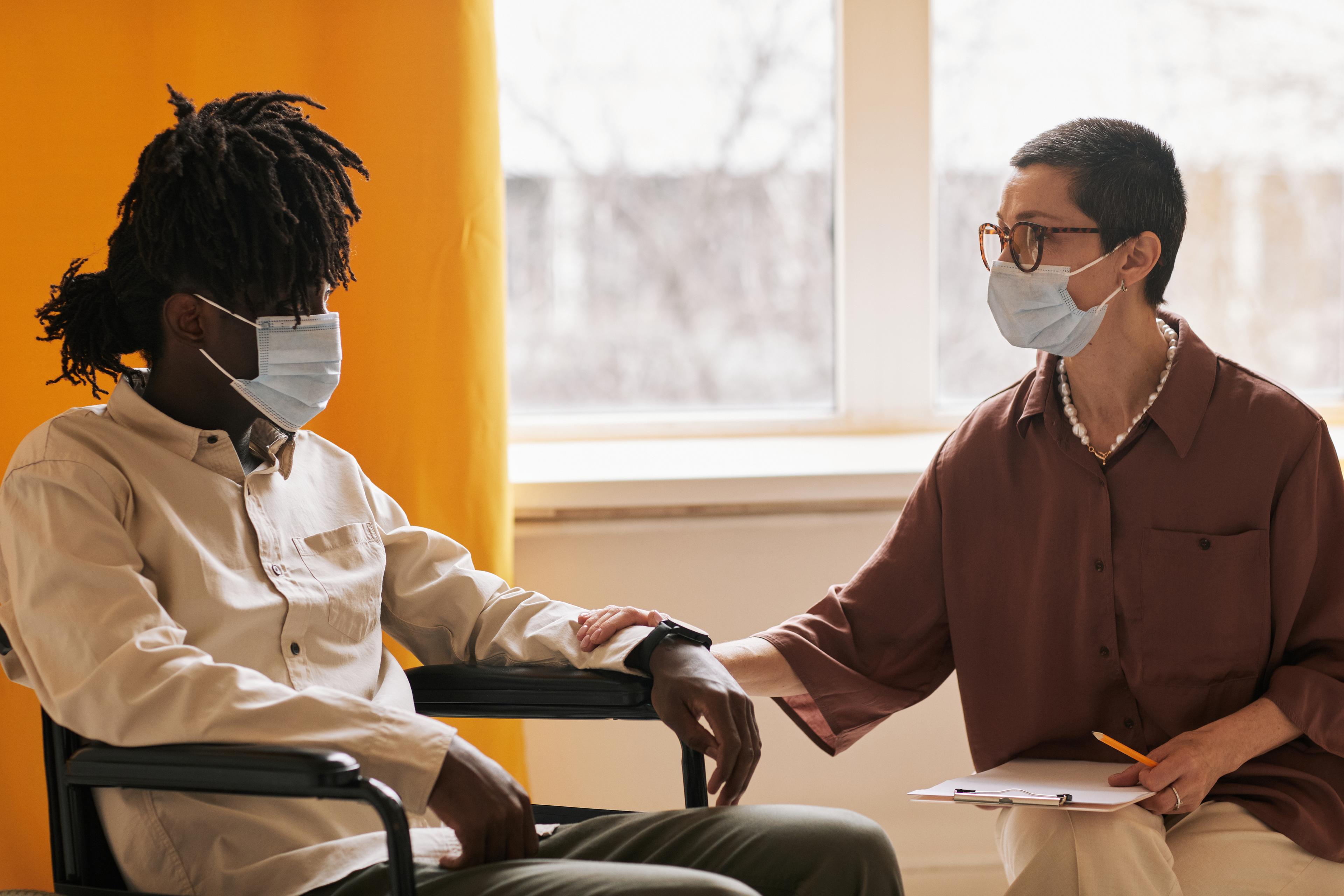
Numerous factors can affect our mental health in the age of COVID-19 — the virus itself, the “infodemia” that accompanies the epidemic, traumatic memories of past illness, and fear of getting sick again. One out of five patients diagnosed with COVID-19 suffers from neurological disorders, insomnia, anxiety, apathy, or panic attacks.
What to do? If you are having trouble sleeping, use melatonin before bed. If you are chronically fatigued, use actoprotectors, adaptogens, and vitamin B, which have an anti-neurotic effect. It is important to restore your microflora, as the microbiome is closely connected to the brain and literally dictates our mood. Take time to plan out your daily routine, get enough sleep, engage in hobbies and physical activity, explore nature, move around, and communicate with loved ones. If you do this and more serious symptoms still occur, consult a psychiatrist.