Maintain a stable, healthy weight
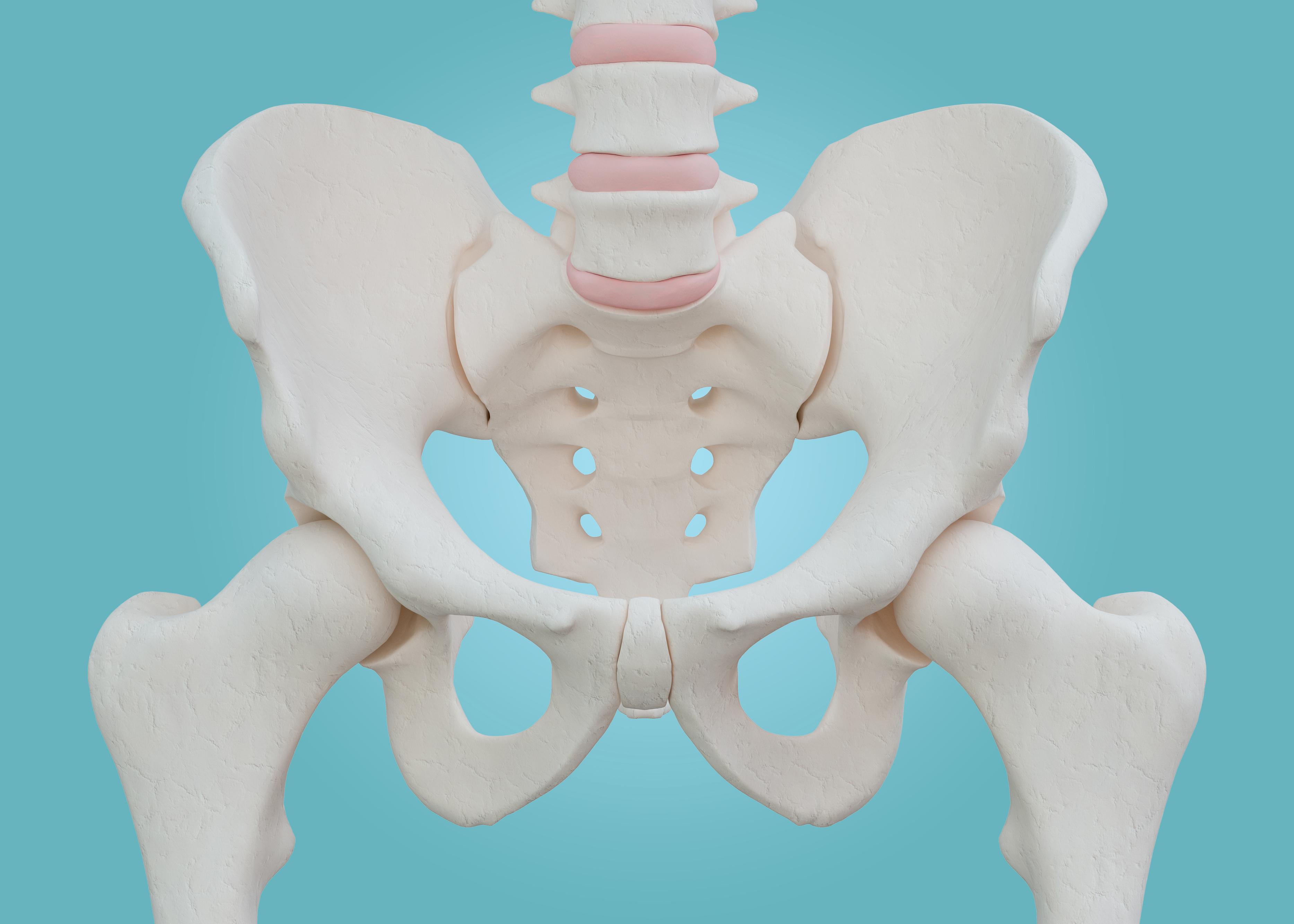
Low body weight is a major contributor to decreased bone density, and obesity increases the risk of fractures. This is especially important for postmenopausal women. During this period, estrogen levels decline and can no longer effectively protect bones.
Avoid low-calorie diets
A lack of calories slows metabolism, hunger, and loss of muscle mass. All of these harm bone health.
Diets of less than 1,000 kilocalories per day lead to a decrease in bone density.
Exercise
Studies of older men and women have confirmed that ===weight-bearing exercise increases bone strength and decreases inflammatory markers. Combine strength training with balance-oriented activities such as yoga and tai chi. Strength training will help strengthen muscles and bones, while balance exercises will help maintain balance and reduce the risk of falling.
Consume adequate amounts of protein
Protein deficiency reduces calcium absorption and affects the rate of bone formation and breakdown. However, everything must be in moderation as high-protein diets greatly increase the blood's acidity, and the body reduces it with calcium, leaching it from the bones. Limit yourself to 100 g of protein daily, combining it with plant and calcium-rich foods.
Eat foods high in calcium
Calcium is the main mineral found in bones. Because bone cells are constantly being broken down and replaced by new ones, it is important to consume calcium daily to protect bone structure and strength. The daily allowance of calcium for most people is 1,000 mg per day, with adolescents needing 1,300 mg and older women needing 1,200 mg.
One in four men and one in two women over the age of 50 will break a bone due to osteoporosis.
Get enough vitamin D
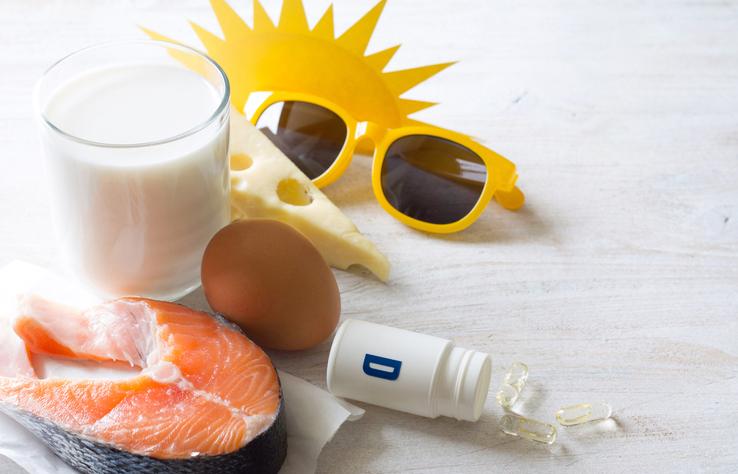
Vitamin D promotes calcium absorption. To protect against osteopenia, osteoporosis and other bone diseases, its recommended blood level should be at least 30 ng/ml. The main sources of vitamin D are sunshine, fatty fish, liver, and cheese. However, it is unlikely that the existing deficiency of vitamin D can be met solely through food and walking. In this case, it is necessary to take supplements.
Watch the level of vitamin K
Vitamin K regulates the production of the protein osteocalcin, which binds to calcium and maintains bone mineral density. Men over the age of 19 need 120 mcg of vitamin K per day and women need 90 mcg per day.
Take collagen supplements
Collagen is the main protein found in bones. It contains the amino acids glycine, proline, and lysine, which are involved in the formation of bones, muscles, ligaments, and other tissues. Collagen protects joints, prevents them from wearing out, and fights arthritis and other inflammatory processes.
Eat foods high in magnesium
Magnesium plays a key role in converting vitamin D into its active form, which aids in calcium absorption. Men over the age of 30 should get 420 mg of magnesium per day, while women should get 320 mg per day.
Make sure that zinc is present in the diet
Zinc is essential for children for bone growth and adults and the elderly to maintain bone density. The recommended daily allowance for women is 8 mg and 11 mg for men.
Include sources of omega-3
Omega-3 fatty acids have anti-inflammatory effects and protect against bone loss. Consuming 2-4 g of omega-3 fatty acids per day is optimal.
Eat more fruits and vegetables
A diet high in nutrients promotes healthy bones in children and maintains bone mineral density in older people. Vegetables and fruits rich in vitamin C are particularly useful in preventing fractures.
Avoid smoking and alcohol
Smoking reduces bone mineral density, making bones weak. Alcohol abuse can also lead to loss of bone mass. So don't get carried away!