The soul of taste
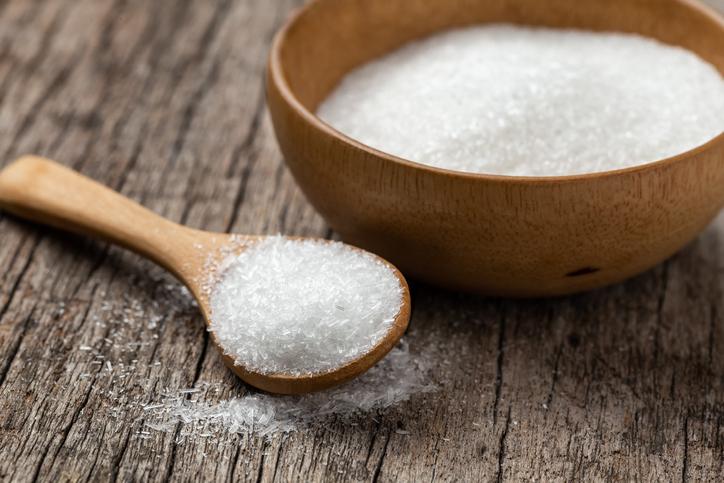
The fifth taste was discovered by the Japanese. In addition to sweet, bitter, salty, and sour, they found umami, which in translation means "just delicious." In 1908, Japanese scientist Kikunae Ikeda isolated glutamic acid from the kombu alga, after which he set up production of the monosodium salt of glutamic acid, and began selling it as a condiment with the romantic name "adzinomoto" — the soul of taste. In reality, monosodium glutamate (E621), which is the umami carrier, has neither taste nor its odor at all. But the taste of any dish to which it is added immediately becomes more voluminous, concentrated, and bright.
In defense of glutamate
Glutamic acid is part of all proteins. When we eat, our stomach breaks down protein into amino acids, including glutamic acid. Natural glutamate is found in parmesan and cheddar cheese, clams and crabs, tomatoes and mushrooms, chicken, and more. Most importantly, not a single clinical study to date has proven that monosodium glutamate is harmful.
The safety of glutamate is also confirmed by the "Codex Alimentarius" — the international set of standards for food, compiled by the joint committee of the Food and Agriculture Organization of the United Nations and World Health Organization.
In China, glutamic acid is often used as a common spice along with salt.
Bad reputation
Nevertheless, glutamate has gained a bad reputation, and nutritionists generally recommend excluding foods with it from the diet. And it's not just the glutamate itself, it's where it is used. Most glutamate is used in junk food and fast-food restaurants and is also added to industrially produced meat products such as sausages.
Glutamate is often used to improve taste quickly and easily to save money on expensive natural ingredients. The main danger of taste enhancers is not that they are harmful, but that they are often used in products with low nutritional value, deceiving our taste buds. Make sure to carefully study labels, and pay attention to the content of protein, carbohydrates, dietary fiber, and vitamins in what you eat. This is more important than worrying about glutamate content.