Our bodies use protein to build muscle and tissue, deliver oxygen and nutrients to our cells, keep our immune and hormonal systems working, synthesize digestive enzymes, and gain energy.
Protein consists of 21 amino acids, of which eight are essential. Because humans are unable to synthesize them, they must come from food.
What are the best protein sources?
-
Beef, chicken, and veal each have about 21 g of protein per 100 g. These are good sources of protein, but remember to eat lean cuts of meat to lose weight. Eating fattier cuts of meat will cause weight gain and increased blood pressure.
-
Tuna and sardines each have about 24 g of protein per 100 g. Canned tuna is a great ingredient for salads and fresh tuna is great for many gourmet dishes. You can cook fresh sardines — just splash them with lemon juice, olive oil and add herbs. Or you can use sardines in a can, which are cheaper, and put them on toast or a salad.
-
Soft low-fat cottage cheese has 24 g of protein per 100 g. Cottage cheese is rich in calcium, helps you stay full for a long time, and has a lot of protein and few calories. Eat it with vegetables and fruit, add it to salads and make casseroles.
-
Lentils have 16 g of protein per 100 g. These legumes are good for the heart and rich in iron. Lentils cook faster than other beans and do not need to be soaked in advance. Add cooked lentils to a salad with sweet peppers, herbs, and spices. Cook them in a soup with broth.
-
Quinoa has about 20 g of protein per 100 g. The grain contains more protein than any other cereal. The amino acid composition of protein in quinoa is balanced and close to that of milk protein, with up to 20 types of amino acids.
-
Turkey has 30 g of protein per 100 g. This is one of the most dietary and healthy types of meat. For a light lunch, dress crispy lettuce leaves with the ground or shredded turkey sauteed with soy sauce, ginger, green onions, jalapeno peppers, and cilantro.
-
Tempeh has 33.7 g of protein per 100 g. This is a fermented soy product like tofu, but denser and with a distinctly tangy flavor, making it a great meat substitute. It has 33.7 g of protein per serving and lots of healthy polyunsaturated fatty acids. You can steam, bake or fry it, and add it to stews and soups.
-
Eggs have about 6 g of protein per 100 g. They need no introduction. Eggs can be used in dozens of ways and can be added to salads and hot dishes.
-
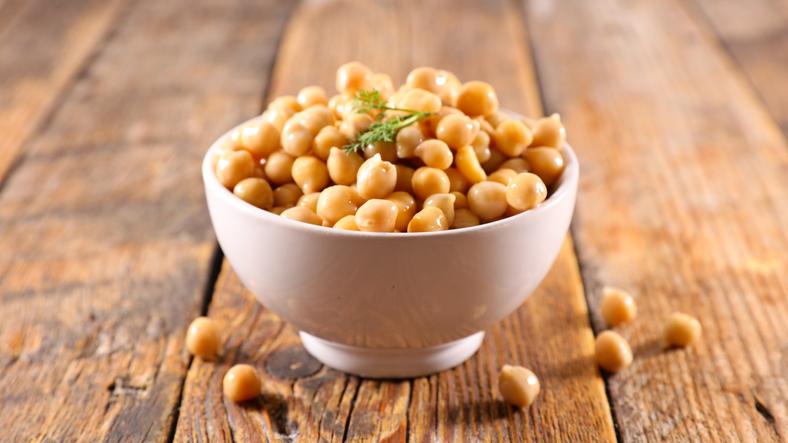
Chickpeas have 19 g of protein per 100 g. These can be used to make pilaf or falafel, ground into hummus, or simply boiled and eaten as a side dish. Additionally, chickpeas are extremely healthy.