World Health Organization defines type II diabetes as a metabolic disorder that shows up as chronic hyperglycemia, developing due to abnormal insulin interaction with tissue cells.
This is what primarily differentiates it from type I diabetes, which is due to the absolute deficiency or absence of insulin. Today, more than 370 million people worldwide have diabetes, and this number continues to grow. So far, humankind has not yet found a way to fully cure diabetes.
Who is at risk
Genetic predisposition plays an important role. Those with blood relatives (parents, brothers, or sisters) who have this disorder should be especially careful.
Age: the risk of developing diabetes increases after 40 years of age.
Extra weight: The most critical indicator is waist circumference. Men should have a waist circumference of less than 40 in, while women should have less than 34 in. Body mass index (BMI) should not exceed 55 pounds/m2.
Women who have gestational diabetes or pregnancy diabetes remain at risk. Those who have had a miscarriage, premature birth, stillborn baby, child with developmental defects, overweight child (more than 9 pounds) are also at risk. Those diagnosed with polycystic ovaries should constantly control the level of blood sugar.
People who have atherosclerosis, hypertension, angina, chronic pancreatitis, neuropathy are at risk as well as those who have survived vascular catastrophes (heart attack, stroke), and developed cataracts at an early age.
People who take medicines that can cause fluctuations in blood sugar level: contraceptives, glucocorticosteroids, thiazide diuretics, etc. There are certain ethnic groups that have a higher risk of developing diabetes, including people from Asia, Latin America, and Africa.
Don’t miss the disease
Unfortunately, type II diabetes is that it often shows no symptoms. Typically, those who suffer from this disorder experience dry mouth and constant thirst, frequent urination, itchy skin, and chronic fatigue.
However, these symptoms can also be signs of other diseases — which is why timely tests are essential. Those who are at risk should make the following tests at least once per year:
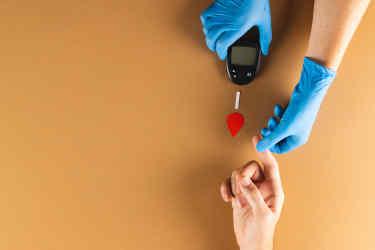
- Capillary blood sugar tested on an empty stomach (from a finger). The result should not exceed 5.5 mmol/L. Venous blood sugar value should not exceed 6.1 mmol/L.
- In some cases, a glucose tolerance test is needed. This can help to identify not only diabetes but also prediabetes.
- Finally, in 2011, the WHO approved using glycated hemoglobin (HbA1c) as diagnostic criteria for diabetes. HbA1c test results equal to 6.5 percent or above indicate diabetes.
How to prevent diabetes
There is a standard set of recommendations for people at risk:
- Have a proper diet
- Control weight
- Lead an active lifestyle
- Cut down on alcohol and sweets
- Quit smoking
- And control stress.
Controlling diabetes means managing a more healthy all-around lifestyle.