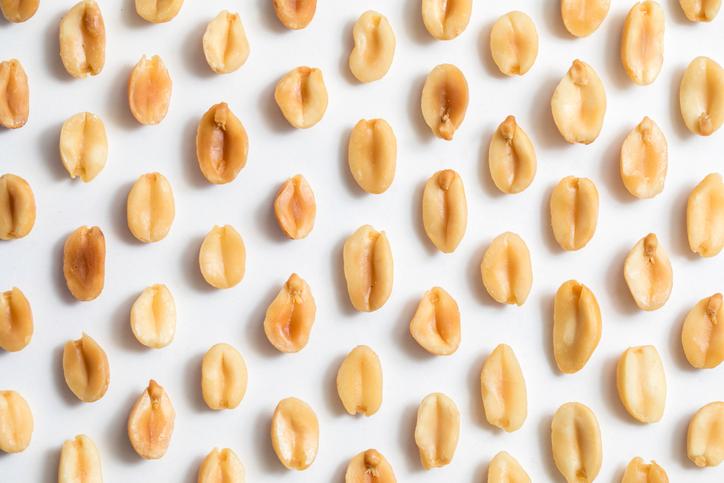
Why do allergies occur?
It's an immune system malfunction that can happen in people of all ages, races, and genders. The main risk factors include heredity, hormonal malfunctions, and stress. There is also a hypothesis that excessive contact with chemicals and aggressive environmental exposure leads to food allergies. The most common allergens include milk, eggs, peanuts, honey, soy, wheat, fish, and shellfish. In general, more than 170 different foods can cause allergies.
Food allergies affect 32 million Americans, including nearly 6 million children.
How do allergies manifest themselves?
Each person's allergies are different, and the symptoms can vary in intensity. Most often, the body reacts to an encounter with an allergen in the following ways:
- Itching, swelling of the lips, tongue, throat or mouth
- Hoarseness, shortness of breath, wheezing and whooping cough
- Urticaria, skin redness, itchy rash
- Nausea, cramps, vomiting, diarrhea
- Slowed pulse, drop in blood pressure, chest pain
The sudden onset of more than one of these symptoms or breathing problems can signal an allergic emergency — anaphylaxis. Anaphylaxis develops very quickly, and if not dealt with urgently, can lead to death. Allergy sufferers with a history of such reactions to certain products are advised to always carry an EpiPen. Otherwise, emergency services must be called.
Anaphylactic shock occurs most often in asthmatics.
How much time and allergen does it take for the reaction to start?
Even trace amounts of a food allergen can trigger an attack. Symptoms usually appear within a few minutes of eating the "forbidden" product and last for up to two hours. In some cases, after the first symptoms subside, a second wave occurs. As a rule, the allergen must be swallowed to manifest the reaction, but sometimes skin contact or inhalation (e. g., steam from cooking shellfish) is sufficient.
It is impossible to predict the severity of an allergic reaction based on previous experience. Even if it was relatively painless last time, under the influence of various factors, the amount of the allergen and the general condition of the person, the intensity of the symptoms can be quite different.
What is the difference between allergies and food intolerance?
A food allergy is a reaction of the immune system, while intolerance is a gastrointestinal disorder. It can cause ill health and upset stomach, but is not life-threatening.
Is there a cure?
There is currently no cure. The only way is to avoid allergens. Antihistamines can relieve mild symptoms, but they are mostly powerless against anaphylaxis. Therefore, it is crucial that the person and their loved ones know how to recognize an allergic reaction and how to act. You should always have with you the medicines recommended by your doctor, and in case of severe symptoms call an ambulance immediately.
Can allergies go away on their own?
If your allergies started when you were a child, it's very likely that they will go away without a trace by the time you are 16. Generally, this applies to reactions to milk, eggs, wheat, or soybeans. On the other hand, allergies to peanuts, tree nuts, fish, or shellfish usually last a lifetime.