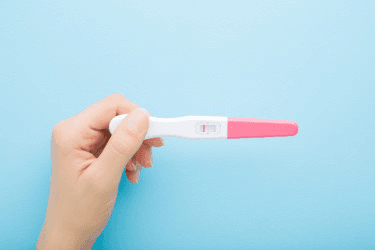
Sex with no contraceptive barriers, especially with a new partner, not only risks unwanted pregnancy but also the possibility of contracting sexually transmitted infections. Moreover, such sexual contact is dangerous in any form —vaginal, anal, or oral. What should be done to avoid these consequences?
The first step is getting tested
Even if your partner is convinced that he or she is perfectly healthy, tests for genital infections are important. Many don't take these tests. A common practice is to wait a week or two following the sexual intercourse, make sure nothing bad is happening, and go back to normal.
The danger is that many infections can spread without any symptoms, so the person doesn’t know they have it. Asymptomatic diseases are often observed in women.
See a doctor
It is critical to see a doctor no more than a week later. Don't be ashamed: a professional doctor will not judge you. Medicine does not condemn, but it does help to diagnose a possible disease to cure it with minimal risks to the body.
Before taking a test, please do not douche, wash off with antiseptic agents or use intimate creams and lotions. Men should not urinate during the 3 hours before the test. Antibiotics or any other antibacterial drugs should not be taken. It is best to not take tests during menstruation—wait until the end of the cycle. Pathogenic bacteria will not have time to multiply in boundless quantities within a week, even if it has entered the body, and treatment for a positive test will be gentle. However, if you miss this deadline, an almost asymptomatic disease transmitted to you during unprotected sex can turn chronic, at which point treatment can turn into a rather complicated, long, and tedious process.
For diagnosis, smears or blood are taken. In women, smears are taken from the urethra, cervix, and vagina. In men, they are taken from the urethra. This is an unpleasant procedure, but a very quick and painless one.
Normally, the smear should not contain diplococci, Trichomonas cells, chlamydia, or candida. The primary analysis after unprotected intercourse is PCR. PCR is a method of isolating a pathogenic region of DNA, which shows the presence or absence of a pathogen in the body. Research by the PCR method is qualitative and quantitative. With a qualitative diagnosis, the presence (or lack thereof) of a pathogen is determined. With quantitative research, you can find out what its concentration is.
Visit the doctor again
You will have to visit the clinic again in a month. The problem is that after an unprotected sexual act, bacterial infections might start developing immediately. However, some of them are ticking time bombs, and even the most sensitive analysis will not reveal the presence of an enemy in the body immediately after the “intervention.” For example, syphilis and HIV—both of which are diagnosed by blood tests. We are talking about syphilis and HIV infection. These tests should be done on an empty stomach, and follow-up tests should be completed one and six months after initial contact.
How to prevent pregnancy
Women are almost more afraid of unwanted pregnancy than they are of infections, which is why emergency contraceptives continue to be made safer every year. However, it is important to understand that interfering with the body will have consequences.
Contraception after intercourse is effective for only 72 hours. After that, the effects are minimal (and the side effects will not disappear anyway). We strongly recommend that you consult a gynecologist before using any drugs.