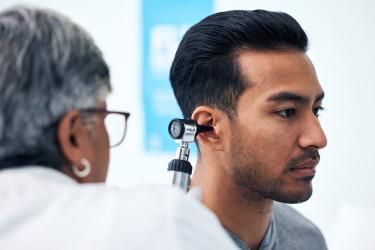
Annual checkup for all men
In addition to chronic diseases that need to be regularly monitored, the annual basic examination for men includes:
- Clinical blood work: gives an idea of the general state of health and the presence of hematologic, infectious, and inflammatory diseases.
- Biochemical blood analysis: shows the work of internal organs, level of cholesterol and glucose in the blood, and violations of carbohydrate metabolism.
- General urinalysis: reflects the work of the excretory system of the body including the kidneys and urinary tract.
- Ultrasound of the abdominal cavity: shows the state of internal organs to identify inflammatory processes and neoplasms.
- Ultrasound of the scrotum: assesses the condition of blood vessels and blood flow.
- Ultrasound CIMT (CIMT) of the carotid arteries: a marker of atherosclerosis and coronary heart disease.
- ECG (or electrocardiogram): helps rule out ischemia, angina, arrhythmia, and other heart muscle disorders.
After age 40
At this age, the following checkups are added to the previous basic list:
- Cardiologic examination: includes the determination of proteins of the acute and subacute phase of inflammation of the heart muscle (C-Reactive protein, lactate, troponin), creatine kinase enzyme, indicators of possible thrombosis, and various fractions of cholesterol.
- Ultrasound of the heart: shows the size of the heart cavities, thickness and mobility of the heart muscle, and structure and work of the valves.
- Hormonal profile: it is worth starting with thyroid hormone, and if there are abnormalities, undergo a more complete examination, which the doctor will prescribe.
- Gastroscopy and colonoscopy: doing these every 3-5 years helps to detect diseases and tumors of the stomach and colon.
After age 50
- Prostate-specific antigen (PSA) test: important for diagnosing prostate disease.
- Cancer profile: includes the determination of cancer biomarkers, the most relevant for men, the increase of which is associated with the development of tumor processes.
- Lipid profile: includes analysis of total cholesterol, high and low-density lipoproteins, and triglycerides.
- Functional pulmonary test (spirometry): detects obstructions and pathologic changes in the lungs, including cancer, which is especially important for smokers.
It is easier and cheaper to prevent diseases than to treat them. A 1-2 day annual checkup will allow you to monitor key health indicators and detect problems in time.