What kind of disease is it?
Monkeypox virus belongs to the genus Orthopoxvirus of the family Poxviridae. It is one of the deadliest diseases known to man. For centuries, smallpox has killed millions of people around the world. But thanks to global immunization programs, the deadly infectious disease was eliminated in the late 1970s. Mass vaccination stopped in the United States and a number of countries in 1972, and in WHO member states in 1986. Today, the live virus exists in small numbers under strictly controlled conditions in laboratories in the United States and Russia, exclusively for medical research.
Where did it come from?
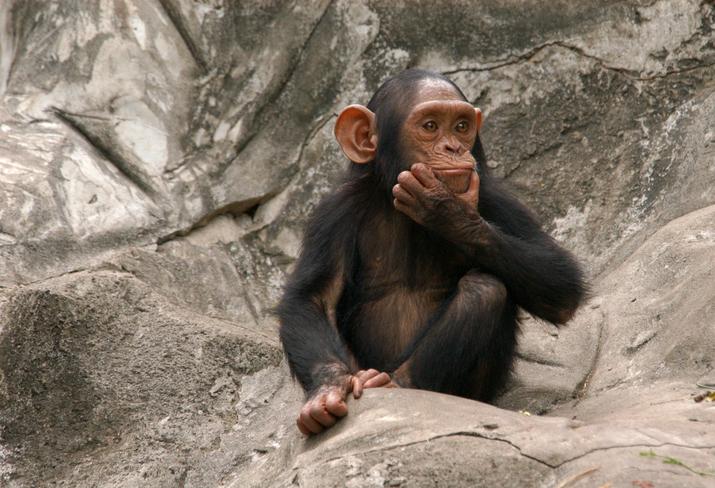
According to the Centers for Disease Control and Prevention (CDC), monkeypox was first detected in 1958 in a group of monkeys kept for research. The first human episode of the disease occurred in 1970 in the Democratic Republic of Congo. In 2022, countries in Africa as well as Canada, Portugal, Spain, France, the United Kingdom and the United States have reported cases.
In African countries, 1,375 episodes of monkeypox had been identified as of the end of May 2022, with about 300 more in the rest of the world.
How does monkeypox spread?
Transmission of the virus occurs when a person ===comes in contact with an infected animal, infected person, or contaminated materials. Smallpox enters the human body through:
- Lesions on the skin
- Mucous membranes in the eyes, nose, and mouth
- Sex
- Bite or scratch
- Contact with bodily fluids of an infected person
- Contaminated clothing or bedding
- Airborne transmission
Monkeypox is not an obviously sexually transmitted disease, but if one partner already has a pronounced rash, it is possible to become infected. The virus is also capable of passing through the placenta from mother to fetus.
What are the symptoms of smallpox?
The incubation period is usually 7 to 14 days, but can range from 5 to 21 days. However, until symptoms appear, the disease is considered noncontagious.
Smallpox begins with fever, headache, muscle aches, and loss of appetite. The main difference between the symptoms of smallpox and monkeypox is that the latter causes enlargement of the lymph nodes (lymphadenopathy).
The rash appears within 1-3 days (sometimes longer) after the onset of fever. It often first appears on the face and then spreads to other parts of the body.
How is it diagnosed and treated?
Smallpox is diagnosed by an infectious disease specialist. A PCR test is performed to confirm infection. Samples for diagnosis are taken from the foci of skin lesions. The patient is relieved of symptoms as well as provided with proper nutrition and plenty of fluids. During treatment, infusion and oral detoxification are used and analgesics are given. Antibiotics are prescribed if there are purulent complications. The mucous membranes are irrigated with antiseptics.
The disease usually lasts 2-4 weeks. In Africa, monkeypox has been reported to cause death in 1 out of 10 people who become infected. No deaths have been reported from other continents.
There are currently no specific treatments for monkeypox, but outbreaks can be effectively controlled with vaccines.
What are the chances of getting sick?
If you practice good hygiene, don't eat poorly processed meat, and don't like to pet African squirrels, your chances of getting monkeypox are slim. To get infected by airborne droplets, you need prolonged contact with a sick person.
Those most at risk include children under 10 years of age, immunocompromised and HIV-positive people living in outbreak areas, and those who work with animals.
There are a number of steps you can take to prevent infection:
- avoid contact with animals that may carry the virus (sick animals or animals found dead in areas where monkeypox is spreading);
- avoid contact with any materials with which an infected person has come into contact;
- isolate infected patients from other people;
- use proper hand hygiene after contact with infected animals or people;
- use personal protective equipment when caring for patients.