Insomnia can show up in various ways. This can include taking more than 30 minutes to fall asleep, having a recurrent night or early morning awakening, or experiencing excessive daytime sleepiness after adequate nighttime sleep. Over time, it becomes harder and harder to get a good night’s sleep. This leads to developing secondary psychological causes of insomnia.
7 Obvious Reasons for Sleep Disorders
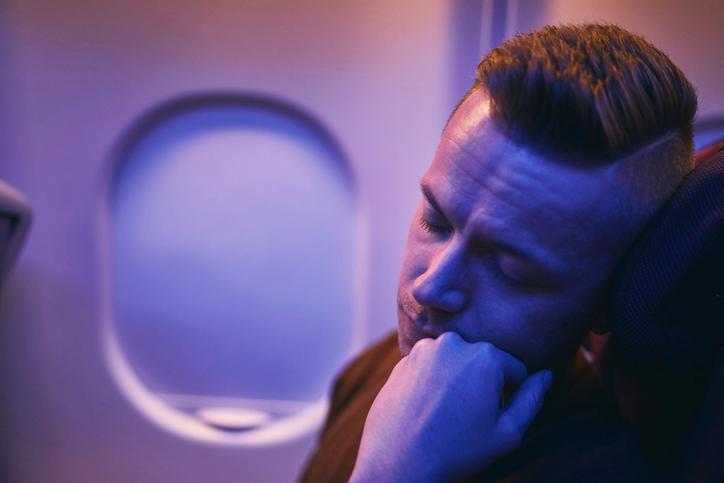
Reason #1 Sleeping environment. Street noise and other sounds, light, room temperature, lack of fresh air, strong smells (for example, tobacco smoke) can all interfere with sleep. Reason #2 Uncomfortable bed, pillows, mattress, and blankets. Reason #3 Drinks and medicines taken throughout the day can stimulate the nervous system and have a serious impact on how we fall asleep. This includes coffee, green tea, energy drinks, cola, and other caffeinated drinks, as well as chocolate. Even passive smoking can keep you from falling asleep. Reason #4 Changes in sleep hours, sleeping in unusual places, and changing time zones can also cause insomnia, putting travelers at risk. Reason #5 Stressful situations, depression, and anxiety can affect sleep. Reason #6 Often, insomnia is caused by pain, apnea, and restless leg syndrome. Reason #7 Prolonged abuse of sedatives and sleeping pills can also lead to insomnia.
How to Help Yourself
Examine your bedroom. ===Is your mattress comfortable? Does your pillow support your head well enough? Opt for bed linen from natural materials with neutral colors.
Try to avoid colorants or detergents with an unpleasant smell. Create a habit of airing out the room before sleeping.
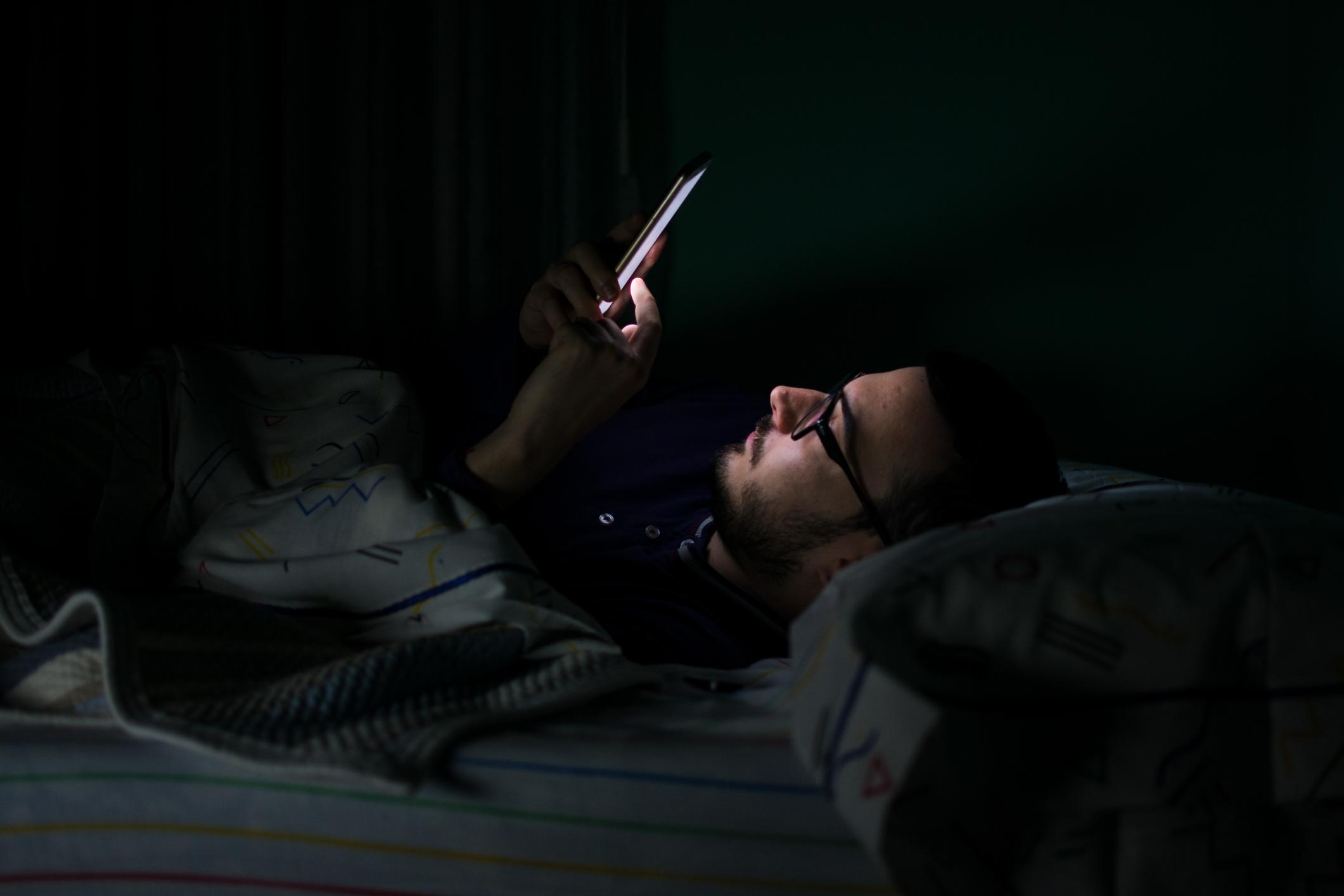
Ditch gadgets for at least two hours before falling asleep. The bright light from a smartphone or tablet reduces the production of the sleep hormone melatonin.
Don't stick to sleep-tracking gadgets. Scientists have identified a disorder, orthosomnia. That occurs when a person has an unhealthy obsession with obtaining ideal sleep. Given some time, it can lead to a psychological disorder.
Try sedative herbal mixes (valerian, motherwort, peony, hops) or traditional tea with chamomile. Warm milk with honey is also effective because it contains tryptophan amino acid, which is the precursor of the melatonin sleep hormone.
Avoid alcohol, which leads to changes in the structure of the night sleep—specifically, it shortens REM sleep and early morning awakening.
A strong anti-stress effect can be achieved through physical exercise. Reasonable workouts stabilize blood pressure and eliminate chronic muscular over-tension, which is found in chronically stressed people.
Choosing the right time for a workout is most important. The optimal time window is no more than a 60-minute workout between the hours of 5 pm and 8 pm.
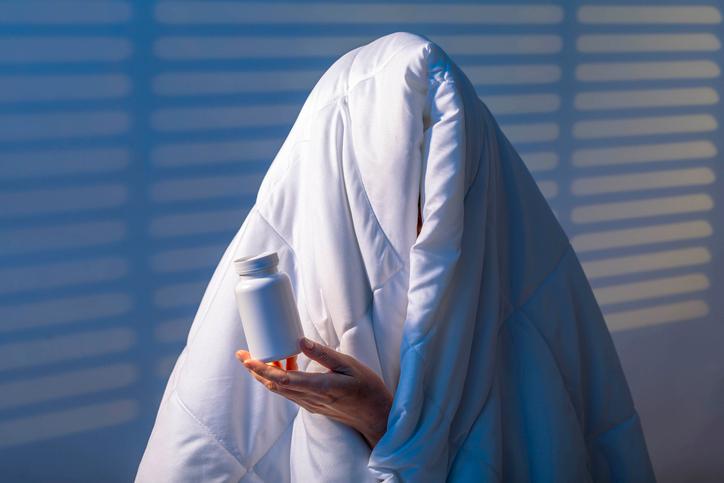
In the case of severe emotional stress, a one-time intake of sleeping medicine is not contraindicated. However, sleeping medicine shouldn't be taken for more than 7 days due to the high chances of developing addiction and side effects.
What Are the Red Flags to Look For?
If insomnia continues for more than 3 months in a row and happens 3 times per week or more, it is important to identify the more serious underlying reasons. It could be a sign of apnea, which happens in people suffering from snoring who may be overweight; narcolepsy, which shows up as uncontrollable daily sleepiness; and depression and anxiety, which results from chronic stress.
In this case, it is necessary to consult with a sleep therapist and have a polysomnography test conducted. This test helps to identify the main indicators of bodily functions during sleep. These include motor activity, brain activity, heart function, respiration, and blood oxygen saturation. This allows the doctor to identify the reason for prolonged insomnia and pick an adequate treatment for each individual case.