The world's most anticipated drug
By the end of 2021, all stages of clinical trials should pass the drug Tirzepatide, developed by Eli Lilly, which is highly anticipated by diabetics. It is scheduled to go on sale in 2022. Tirzepatide is injected once a week, and it has already been shown to reduce both blood glucose levels and body weight. Compared to placebo, Tirzepatide has provided the necessary glycemic control in 90 % of patients. In addition to successfully reducing weight, Tirzepatide also reduces the risk of cardiovascular complications.
Scalpel to the rescue
One of the most advanced methods of treating diabetes is the transplantation of islets of Langerhans located in the pancreas. The effect of the surgery lasts for 10 years or more. These areas of the gland contain cells responsible for glucose processing. Transplantation has a complex therapy: it restores self-regulation of glucose in the blood and improves digestion.
After transplantation, the pancreas works almost as well as a healthy pancreas. Patients do not need insulin injections, and they do not experience hyper- or hypoglycemia. Researchers continue to monitor patients who have undergone this procedure and expect the effect to be lifelong.
Transplantation of the entire organ is also possible, which is currently the only option for a complete cure of diabetes. Transplantation of the pancreas is a complex operation that requires a very specialized medical team. It is indicated for severely progressive diabetes and pathological changes in the body against the background of the disease. The decision about surgery is made by the doctor, taking into account all the risks and the individual situation of the patient.
Alternative high-tech
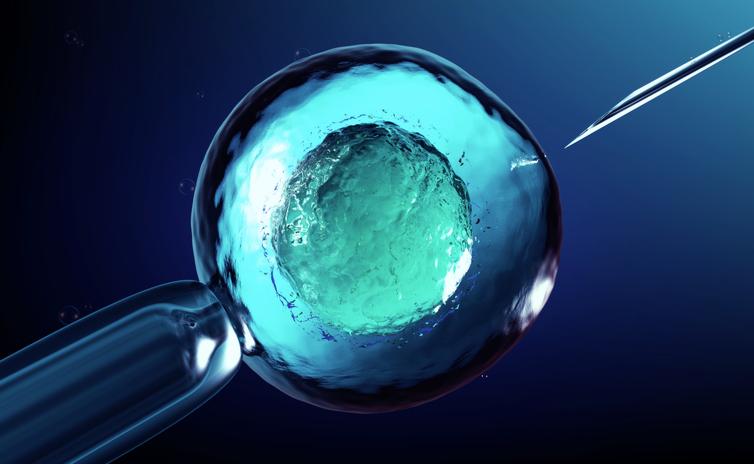
Danish company Novo Nordisk (the world's largest manufacturer of insulin) has acquired exclusive rights from the University of California, San Francisco (UCSF) for the technology of growing cultures of human embryonic stem cells.
The idea behind this technology is to grow pancreatic beta cells from stem cells. These beta cells will be placed in a special microcapsule that will protect them from the body's immune system but will allow glucose and insulin to pass through. Thus, patients will be able to return to normal life and will not need constant insulin injections.
Additionally, the Israeli biotechnology company Betalin Therapeutics has developed an artificial microscopic pancreas that is 7 mm in diameter and 300 microns thick. This microorganism could completely replace a poorly functioning human gland. The artificial gland must also be filled with beta cells, so the company is now working on creating them.
Betalin Therapeutics has already established cooperation regarding trials with clinics in Germany, England, the United States, Italy, and China. If all goes well, the artificial microscopic pancreas will appear within the next 5 years.
Precigen ActoBio has stated that its goal is to reverse diabetes. The company has developed the AG019 preoral capsule, which contains genetically modified, non-replicating Lactococcus lactis bacteria. These can transport human proinsulin and human interleukin into the mucosa of the gastrointestinal tissues. The capsule produces antigen-specific regulatory T-cells that are transported to the inflamed tissue and stop the destruction of insulin-producing islet Langerhans beta cells, stimulating and stabilizing insulin synthesis.
Diabetes remote control
Researchers at the University of Iowa have discovered a safe, non-invasive way to control blood sugar, referred to as a "diabetes remote control".
Researchers found that exposure to an electromagnetic field lowers blood sugar levels and normalizes the body's response to insulin. The effect of the procedure lasts for a long time. The therapy can even be done while sleeping. This discovery could be revolutionary, especially for patients for whom existing treatments seem complicated and inconvenient. So far, the tests have been successfully conducted on mice. The university team is currently conducting further work in this area.
Judging by how intensively and comprehensively medicine is developing, in the near future patients will be able to choose the best options for the treatment and prevention of diabetes. The day is approaching when the disease, once diagnosed, will become fully treatable.