Celiac disease or gluten intolerance?
Many people think that celiac disease and gluten intolerance are synonymous. However, they are two conditions requiring different approaches to diagnosis and treatment. How do they differ?
Celiac disease: an autoimmune disorder in which gluten consumption leads to damage to the mucosa of the small intestine. To detect celiac disease, tests are required to detect antibodies to tissue transglutaminase (tTG-IgA) and endomysium (EMA).
Gluten intolerance: also known as non-celiac gluten sensitivity, this is a condition in which eating gluten causes symptoms similar to those of celiac disease, but without an autoimmune reaction or intestinal damage. This diagnosis is usually made after celiac disease and wheat allergy have been ruled out.
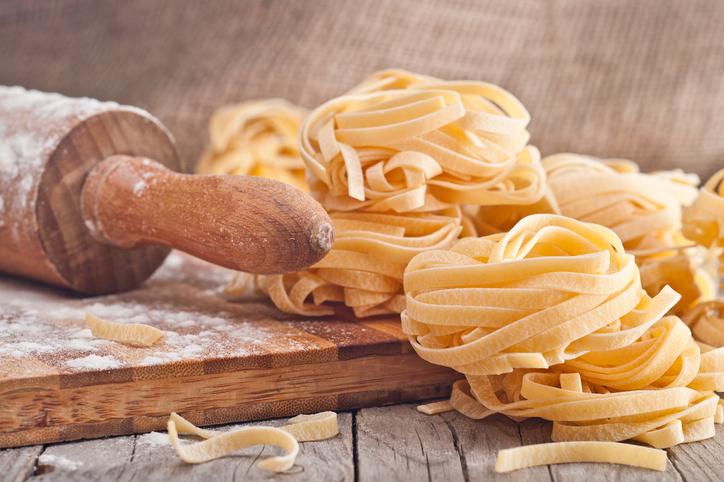
Foods containing gluten include bread, pastries, cakes, cereals, pasta, breakfast cereals, and malt-based drinks.
Similar symptoms but different diseases
It is almost impossible to distinguish between these two ailments without laboratory diagnosis. The following symptoms are reasons to consult a doctor and avoid gluten.
- Flatulence, abdominal bloating, constipation
- Weakness, headache, dizziness
- Diarrhea, vomiting
- Depression, irritability
- Cognitive disturbances
- Joint discomfort or pain
Celiac disease often leads to anemia, as damage to the intestines interferes with iron absorption and weight loss. Growth retardation is seen in children.
There is no cure
The only effective way to get rid of unpleasant symptoms is to avoid products that contain gluten. The only difference is that for people with celiac disease, gluten is contraindicated in any quantities, as this is the only way to avoid damage to the intestinal mucosa. Generally, those with gluten intolerance can afford small deviations from their diet without serious health consequences.
What should you eat?
People who are forced to follow a gluten-free diet have extensive options to choose from. The following foods contain no gluten:
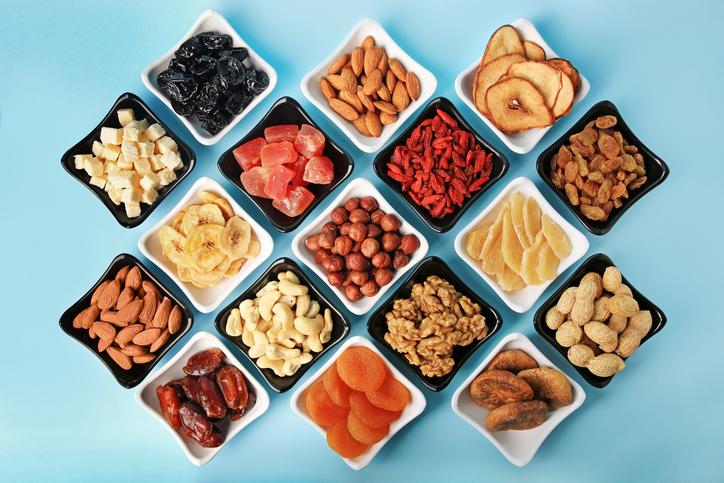
- Fruits, vegetables, berries, herbs. They should be eaten as much as possible so that there is enough fiber in the diet.
- Beans, chickpeas, nuts.
- Meat, poultry, fish, seafood, eggs, milk.
- Cheese, cottage cheese, yogurt, and other dairy products without additives. Products without additives are extremely important because cheese, especially processed cheese, and even more so yogurt, may contain gluten. Be sure to read the ingredients before you buy.
- Rice, buckwheat, millet, corn, quinoa. These grains are hypoallergenic and contain a wide range of useful micronutrients and macronutrients.