What is "fasting?”
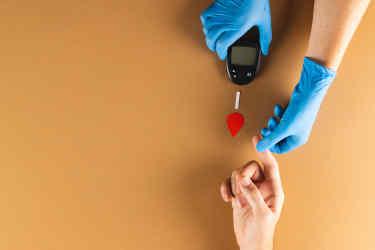
Fasting before a blood test means that you should not eat or drink anything but water for 8 to 12 hours before the blood test. Even a small spoonful of sugar in a cup of tea will change the blood glucose reading: the blood sugar level will be high and the doctor will not know why and which ruins the test.
The same is true for cholesterol, bilirubin, and some other indicators. Simply put, on an empty stomach means "as is," without any foods or liquids other than water. Doctors need to understand how the body behaves without external stimulation.
By the way, this is why we also recommend not smoking or drinking alcohol for at least 12 hours before the analysis (even better is abstaining for 24–48 hours beforehand, as toxic substances and their decay products can greatly distort test results.
According to the World Health Organization (WHO), laboratory tests provide 60 to 80 % of diagnostic information about a patient.
When is it especially important?
Blood tests must be taken on an empty stomach to determine lipid profile parameters including cholesterol, HDL, LDL, and triglycerides. Any ingestion of food or drink will skew the data. General blood tests are not so severe: it is enough to refrain from eating and drinking an hour before taking the test.
However, you should abstain from fatty foods for 12 hours or more: fats in the intestines turn into chylomicrons, which make the blood "turbid," or, as doctors will tell you, what turns into cholesterol. Such a sample will be rejected by the lab technicians, and you will have to take the test again. The day before you should exclude butter, mayonnaise, fatty meats, sausages, and cheeses from your diet.
Some tests, especially those for hormones, are important to take at a specific time of a day or menstrual cycle. For example, somatotropic hormone (STH), cortisol, and adrenocorticotropic hormone (ACTH) can vary in concentration by 2–4 times depending on whether you take the test in the morning or evening.
What if I'm taking medication?
Ideally, you shouldn't interrupt a course of medication for the sake of a test. However, you need to inform your doctor ahead of time about what medications you are taking so that he or she can take into account the potential impact of the medication when deciphering the data. If it is possible to stop taking pills for 1–2 days, it is a good idea to do so (in consultation with your doctor).