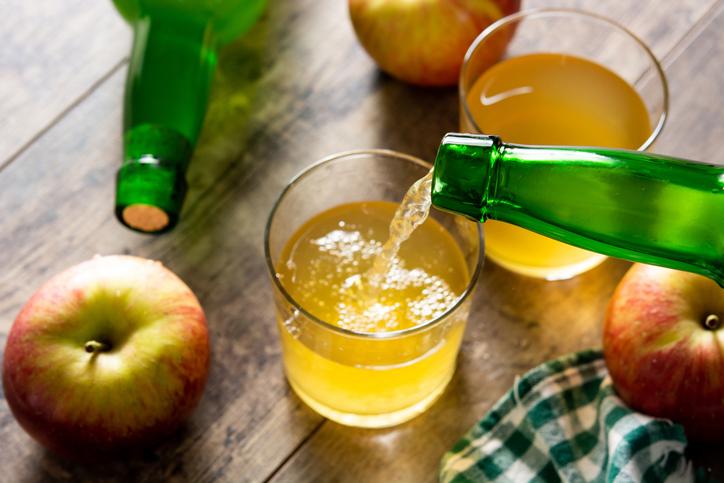
Champagne
Pros:
- The phenolic acid found in champagne has a positive effect on spatial memory.
- It contains antioxidants and additives that increase levels of the protein dystrophin (its deficiency is linked to cognitive impairment) and the central nervous system enzyme CNPase (decreased levels are seen in Alzheimer's disease).
- Dry champagne is less caloric than wine (100 grams of brut has 55 calories, while dry wine has an average of 75 calories).
Cons:
- Suppresses antidiuretic hormone (ADH) production.
- Gas bubbles accelerate the absorption of alcohol into the bloodstream, increasing intoxication and irritating the stomach, so champagne should not be drunk by people with GI diseases.
- Carbon dioxide damages tooth enamel.
- Champagne with high sugar levels should be avoided by people with diabetes, metabolic problems, and those who are overweight.
During big meals, it is recommended to alternate champagne and other alcoholic drinks with water. This helps to avoid dehydration, excessive strain on the kidneys, and inebriation.
Dry red wine
Pros:
- Dark grapes contain many antioxidants, including resveratrol, epicatechin, catechin, flavonoids, and proanthocyanidins.
- Resveratrol reduces cholesterol, ===blood pressure, and blood sugar and prevents the action of a protein that promotes the development of some types of cancer.
- It is beneficial for heart function.
White wine also contains antioxidants, but red wine has more. White wine tends to have fewer calories.
Cons:
- Ethanol and acids in wine irritate the gastric mucosa and can exacerbate GI diseases, so people with peptic ulcers and gastritis are better off refraining from wine.
- Preservatives often added to wine and chemical compounds used to treat vineyards can provoke allergies and asthma.
Beer
Pros:
- A source of potassium, magnesium, calcium, phosphorus, zinc, niacin, and folic acid.
- Dark beer is rich in antioxidants.
- Hops contain xanthohumol, a flavonoid that protects the brain from age-related degenerative changes and inhibits carcinogens.
- In small doses has a beneficial effect on the cardiovascular system.
- Promotes recovery after physical activity.
- Stimulates the urinary tract, reducing the risk of kidney stones.
Cons:
- It provokes the deposition of adipose tissue, especially in the waist area.
- As it is a diuretic, it flushes a large number of trace elements and vitamins out of the body.
- It is not recommended for people on a gluten-free diet, those suffering from diabetes, irritable bowel syndrome, liver problems, or heartburn.
Cognac
Pros:
- Through fermentation and aging, cognac produces antioxidants, tannins, and essential oils.
- Stimulates the secretion of gastric juice, which improves digestion.
- Reduces heaviness in the stomach after a large meal.
- Due to the content of tannins, it promotes better absorption of vitamin C.
- Dilating blood vessels normalizes blood flow and blood pressure.
- Reduces the risk of depression.
- It has an analgesic effect.
Cons:
- Due to the high concentration of tannins, it is not recommended for those with GI problems, especially gastritis or ulcers.
- Tannins impair iron absorption in the intestines and can cause allergic reactions.
- It is not recommended for people with chronic diseases of the cardiovascular system and gallbladder.
Vodka
Pros:
- Consuming in moderation promotes relaxation, improves circulation, and acts as an antiseptic and antifungal agent.
- It helps promote sleep.
Cons:
- People with liver diseases such as cirrhosis or hepatitis should not consume it.
- Contraindicated for those with heart disease, hypertension, diabetes, gastritis, peptic ulcer, or low acidity.
- It is not recommended for people with mental disorders and those prone to depression or alcoholism.
Whiskey
Pros:
- Reduces the risk of heart failure, thrombosis, and stroke by reducing blood clotting.
- Increases insulin synthesis and helps prevent diabetes.
- It contains as many antioxidants as wine.
Cons:
- The same as vodka.