Why injections?
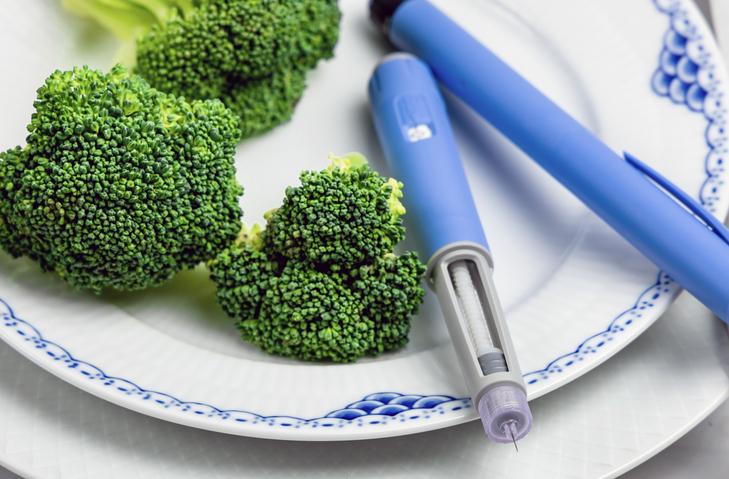
Currently, insulin injections are the only way to control blood glucose levels. However, injections are painful and are a serious problem for many diabetics, both physiologically and psychologically. The development of insulin in pills or drops would have been a breakthrough, but although more than 100 years have passed since insulin was discovered, oral insulin has never been invented. The reason is that insulin is not absorbed in the small intestine — it is broken down in the gastrointestinal tract.
Evidence base
The research team synthesized a new peptide, DNP, which passes through the small intestine without being cleaved. Combining it with hexamer insulin, the drug was injected into experimental mice to study the rate of absorption. Five minutes later, insulin was detected in the rodents' blood, and glucose levels began to drop.
The drop in glucose lasted for 120 minutes after injection, and then the stable level held for another 120 minutes. The control group of mice was given the classic injections and the effect was comparable: glucose began to drop after 15 minutes and held steady for up to 2 hours.
Scientists believe that this study will serve as the basis for the development of oral insulin in drops or capsules.
Sources: Shingo Ito et al, Oral Coadministration of Zn-Insulin with d-Form Small Intestine-Permeable Cyclic Peptide Enhances Its Blood Glucose-Lowering Effect in Mice, Molecular Pharmaceutics (2021). DOI: 10.1021/acs.molpharmaceut.0c01010