Baby blues or depression?
Mood swings, outbursts of emotion, and bouts of sadness occur in 70–80 % of women who have just given birth. This is not surprising, because the woman's life is completely changed with the birth of a child, and this period of time also comes with hormonal changes. This condition is called baby blues, and it usually does not last more than a couple of weeks, which are needed to adapt.
However, in 10–15 % of women, this condition doesn't go away on its own. And instead of enjoying the interaction with the baby, the woman gets depressed, which can begin immediately after the birth of a child, or even weeks or months later.
Relatives should be alert if more than two weeks have passed since the birth and the new mother has fallen into apathy, is frequently nervous, shows aggression towards loved ones and the child, experiences a sense of hopelessness, or even discusses suicide.
Why does this happen?
The reasons why postpartum depression begins can be divided into two reasons: physiological and external.
Physiological reasons include:
- Genetic predisposition: The hereditary inability of the nervous system to adapt to physiological and psychological stress.
- Hormonal changes: зrogesterone and thyroid hormone production decreases, but prolactin levels increase. This has an effect on the nervous system and affects mood and performance.
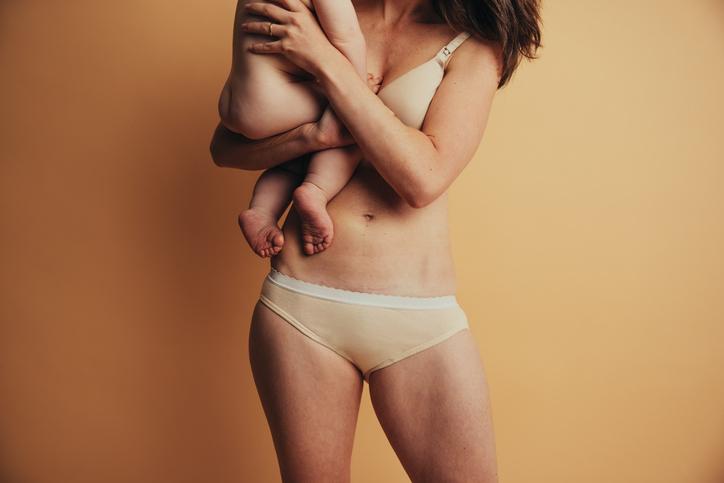
- Change in physical shape: The woman's body changes, and often she is not happy with her reflection in the mirror. This affects her mood and self-esteem.
External factors are just as important, and can often be controlled more than physiological factors:
- Fear for the baby: New responsibilities and a changed way of life can negatively influence a mother's psychological state.
- Fear of failing, of doing something wrong, and of harming the baby puts a woman in a state of stress, and prolonged stress leads to depression.
- Domestic chores: With the birth of a child, domestic chores can become more of a burden for the mother — especially if the mother does not have people around her who can help.
- Relationships with partners: After childbirth, the young mother focuses on the baby, which inevitably affects the couple's relationship. The partner feels neglected and complains to the mother, causing her guilt and depression.
Is postpartum depression possible to predict?
It is impossible to predict whether a woman will experience postpartum depression, but the likelihood is higher if any of the following apply:
- The mother-to-be experienced serious stress during pregnancy
- The pregnancy or childbirth was problematic
- There are no people in her support system
- The relationship with her partner is difficult
- The woman or any of her relatives suffer from mental disorders
- Postpartum depression has already occurred after a previous birth
If you are at risk, it is best to begin preventive measures a few months before the birth. Learn breathing practices and relaxation techniques, do maternity exercises and, most importantly, keep a positive attitude. Be sure to find time for activities that are fun.
How do I cope with postpartum depression?
If the depression occurs in a mild form, the young mother may benefit from talking with a psychologist or psychotherapist. This will help the mother understand her internal conflicts and feelings, discuss problems in the family, and accept her new role. Communication with friends and other mothers will also be helpful.
In more severe cases, medication such as antidepressants or hormones may be prescribed. However, such medications will only be prescribed if the doctor believes the medications will be beneficial for the mother.
If depression has begun, however, it is most important to be aware of the problem and seek help from a doctor in time. Postpartum depression can be treated, and it can even pass within months after the birth. However, if it is not treated, depression take a chronic form and last for years.