Rule 1: Don't overdo it with medications
Non-steroidal anti-inflammatory drugs such as Ibuprofen or Naproxen, if taken too often or too much, negatively affect the kidneys. This can affect even perfectly healthy people. The same can be said for antibiotics — especially penicillin, sulfonamides, and cephalosporins. And proton pump inhibitors (PPIs) can provoke chronic kidney disease. You should always discuss medications with your doctor before taking them.
Rule 2: Be careful with herbal dietary supplements
Many natural medicinal herbs are very popular because people think that they can do no harm. However, that is not the case. ===Kidney health can be affected by various supplements. Always consult with a medical professional before beginning any herbal supplement routine.
Rule 3: Eat healthy foods
It's not just your liver and stomach that react painfully to a bad diet. The kidneys are also involved in processing everything you drink and eat, and they too are affected by issues associated with unhealthy lifestyles such as obesity, diabetes, and high blood pressure. Kidneys don’t respond well to salt, sugar, red meat, and fatty foods. To keep your kidneys healthy, eat more vegetables, fruits, cereals, lean dairy products, lean meat, poultry, fish, and seafood.
Rule 4: Eat less salt
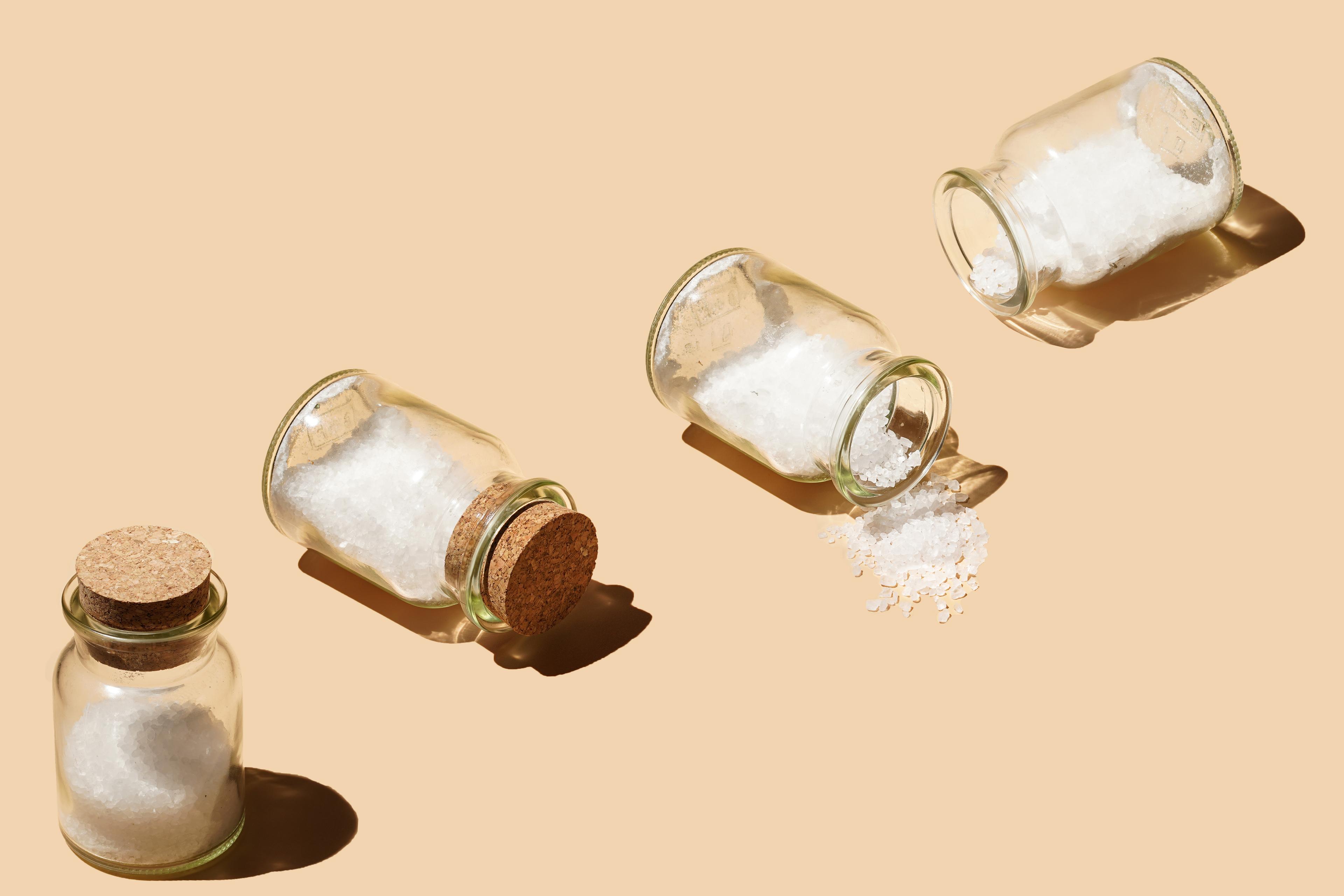
Yes, we've already written about this above, but in case you weren't paying attention, we'll say it again. There is almost nothing more damaging to the kidneys than salt! Excess sodium chloride in your diet increases protein levels in your urine, promotes stone formation, and increases your chances of high blood pressure — all of which can cause kidney problems.
Rule 5: Drink more water
Water delivers essential nutrients to your kidneys and flushes out toxins. Lack of fluid can lead to the formation of stones and the development of infectious diseases. Aim to drink 64 ounces of water per day, and remind family members who may not always drink as much as they should. Make sure you are drinking clean water that has been properly filtered.
Rule 6: Limit alcohol
If you are a healthy person, you can drink alcohol in moderation. One to two alcoholic drinks per week won’t hurt your kidneys. However, avoid excessive drinking since alcohol drains fluid from the body and dehydration is extremely harmful to the kidneys.
Rule 7: Exercise
You can not pump up your kidneys or strengthen them with fitness, but you can protect yourself from health issues that directly affect them such as obesity, heart problems, and diabetes. However, keep in mind that overly intense physical activity — especially during a period of intense weight loss — is not good for the kidneys.
Rule 8: Avoid smoking
Smoking damages the blood vessels, which harms the blood supply to the kidneys (and other organs). Additionally, smoking increases the risk of cancer.
Rule 9: Avoid high-protein diets
High-protein diets can be very effective for losing weight, but they can negatively affect the kidneys if followed for a long time. An abundance of protein in the diet forces the kidneys to work at maximum capacity as they have to remove a huge amount of oxalate salts. This is how kidney stones can form.
Rule 10: Get regular checkups
If you already have kidney problems or have a family history of them, you should have a check-up once a year to ensure your kidneys stay healthy. If you don’t have a history of kidney issues, it is still a good idea to get a checkup every few years.
A basic set of tests includes:
- General urinalysis
- General blood test
- Blood tests for creatinine, urea, and uric acid
- Blood albumin
- Renal ultrasound