1. Avoid smoking and vaping
People who smoke more often than others suffer from chronic obstructive pulmonary disease, bronchitis and pneumonia, and are more susceptible to respiratory infections. Smoking causes changes in the lungs, making them unable to do their job. During a puff of a cigarette, combustion products and tar release about 6,000 chemical compounds, of which about 80 are recognized as carcinogenic and can cause lung cancer.
Doctors say that it is never too late to quit smoking — six months after quitting, the lungs return to normal. Many who try to quit smoking cigarettes try vaping with e-cigarettes. While they do not have carcinogens, they do cause a number of other health problems. However, e-cigarettes cause a number of other health problems including the disease ===that has been named EVALI.
2. Do aerobic exercise
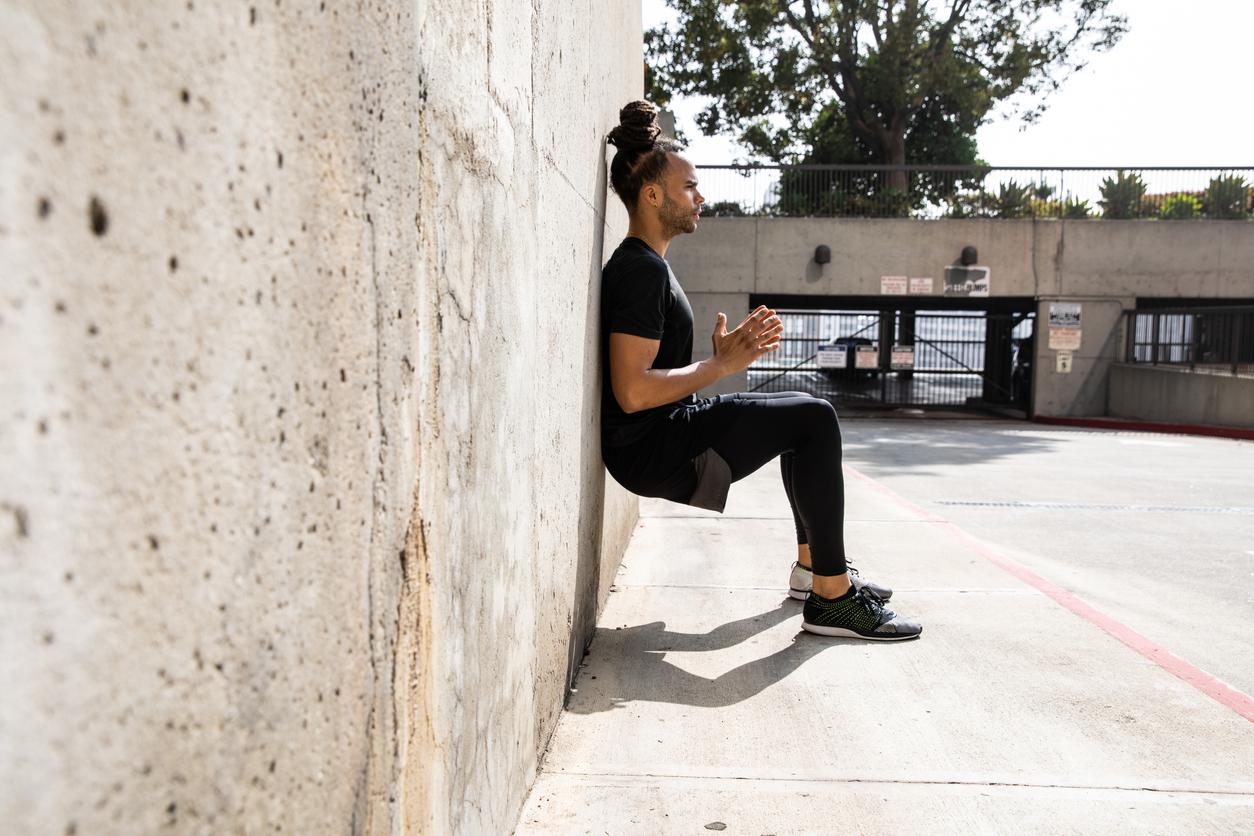
At rest, the lungs work only half of their capacity. Thanks to physical activity, they are filled and better oxygenate all organs and tissues. This requires light exercise including yoga, pilates, tai chi, and qigong as well as aerobic exercise such as walking, running, cycling, swimming, and skiing 2–3 times a week. A good workout is one in which the person breathes 40–60 times per minute, which is 3–4 times more often than at rest.
3. Do breathing exercises
Many of us breathe incorrectly, such as with the belly or the upper part of the chest while breathing is shallow. For good lung function, breathe deeply by using the diaphragm. A variety of breathing techniques can help strengthen the respiratory muscles, which will help you better resist disease as well as combat the effects of COVID-19 and stress. When the body is under stress, breathing becomes more frequent — which often causes dizziness, fatigue, and decreased attention.
4. Breathe clean air
In cities, we breathe polluted air, so it is important to spend time outside in parks and green spaces. Indoor environments must be regularly ventilated and cleaned. In winter, monitor the humidity level in the room — it should be 50–60 %. If an air conditioner is installed, it is important to regularly clean the filters where dirt and microorganisms settle, including those that can cause allergies and pneumonia.
5. Keep your back straight
The lungs fill the volume that is available with oxygen. If a person is accustomed to stooping and sitting hunched over, the lungs cannot fill too full capacity and breathing becomes shallow. Hunching over a desk can make this issue worse. Therefore, it is important to do breathing exercises and physical exercises during and after the workday.
6. Protecting yourself from respiratory infections
COVID-19 has taught us habits that can keep us healthy, including wearing a mask, washing our hands, and not touching our face. Prevention also includes flu, COVID-19, and pneumococcal vaccinations. During the cold season, it is especially important to stay hydrated, take vitamins and eat fruits, vegetables, and foods rich in antioxidants, Omega-3 fatty acids, zinc, selenium, and vitamins A, C, and D.
7. Pass the check
To exclude tuberculosis, children may undergo a Mantoux test or Diaskin test, and adults may undergo fluorography or an X-ray of the lungs. Check-ups of the lungs are recommended for people in risk groups, which include smokers, patients with chronic diseases of the bronchopulmonary system, people with reduced immunity and clinical symptoms, and as well as those who deal with toxic substances or are in contact with patients with tuberculosis. The check-up includes pulse oximetry, a study of the function of external respiration (VFD), a clinical blood test (OAC, leukoformula, ESR), C-Reactive Protein (CRP), ECG, sputum analysis, microflora culture,iron level in the blood, and CT of the lungs instead of X-ray.